
HUMAYUM'S TOMB WORLD HERITAGE SITE MUSEUM
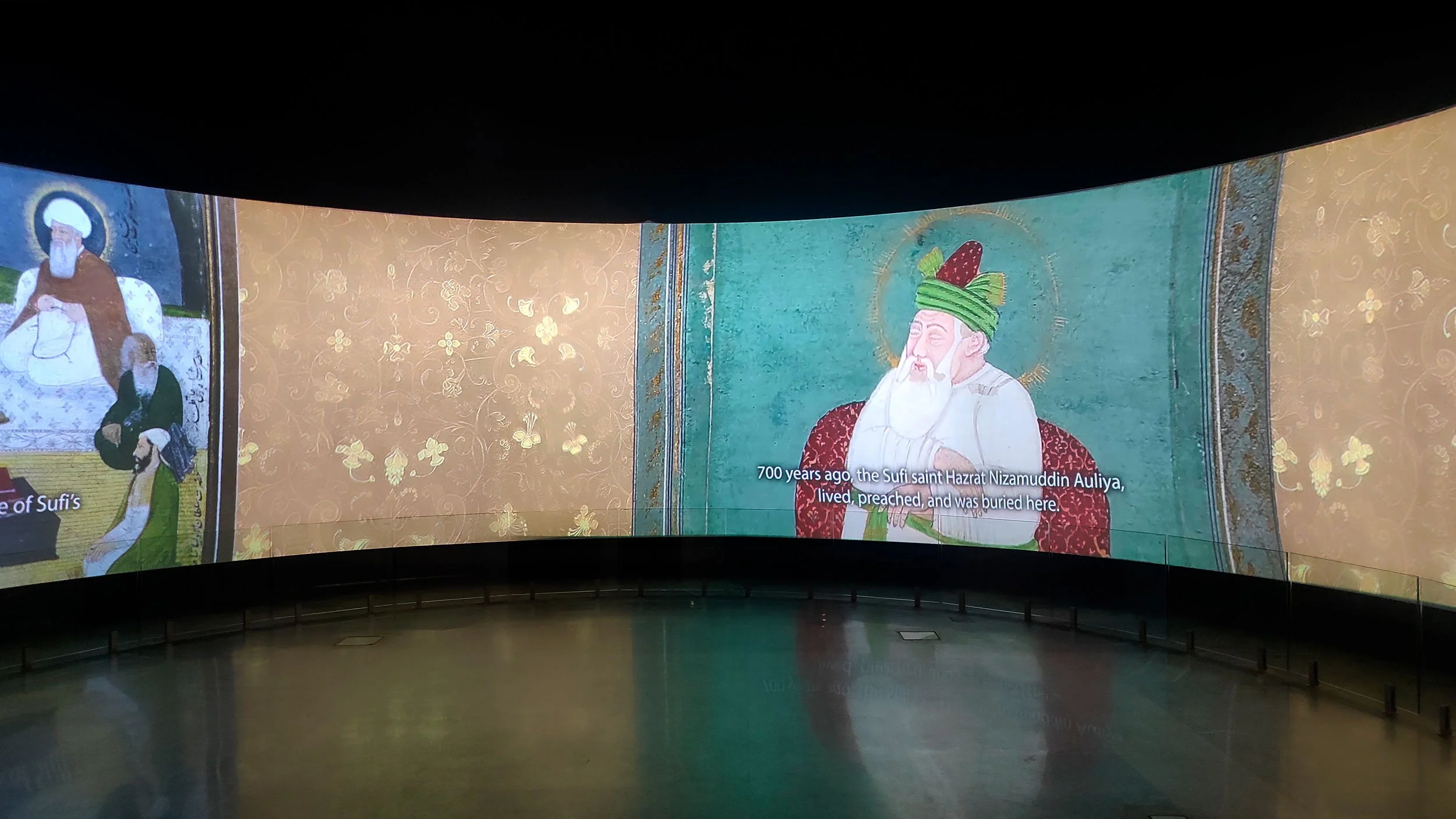
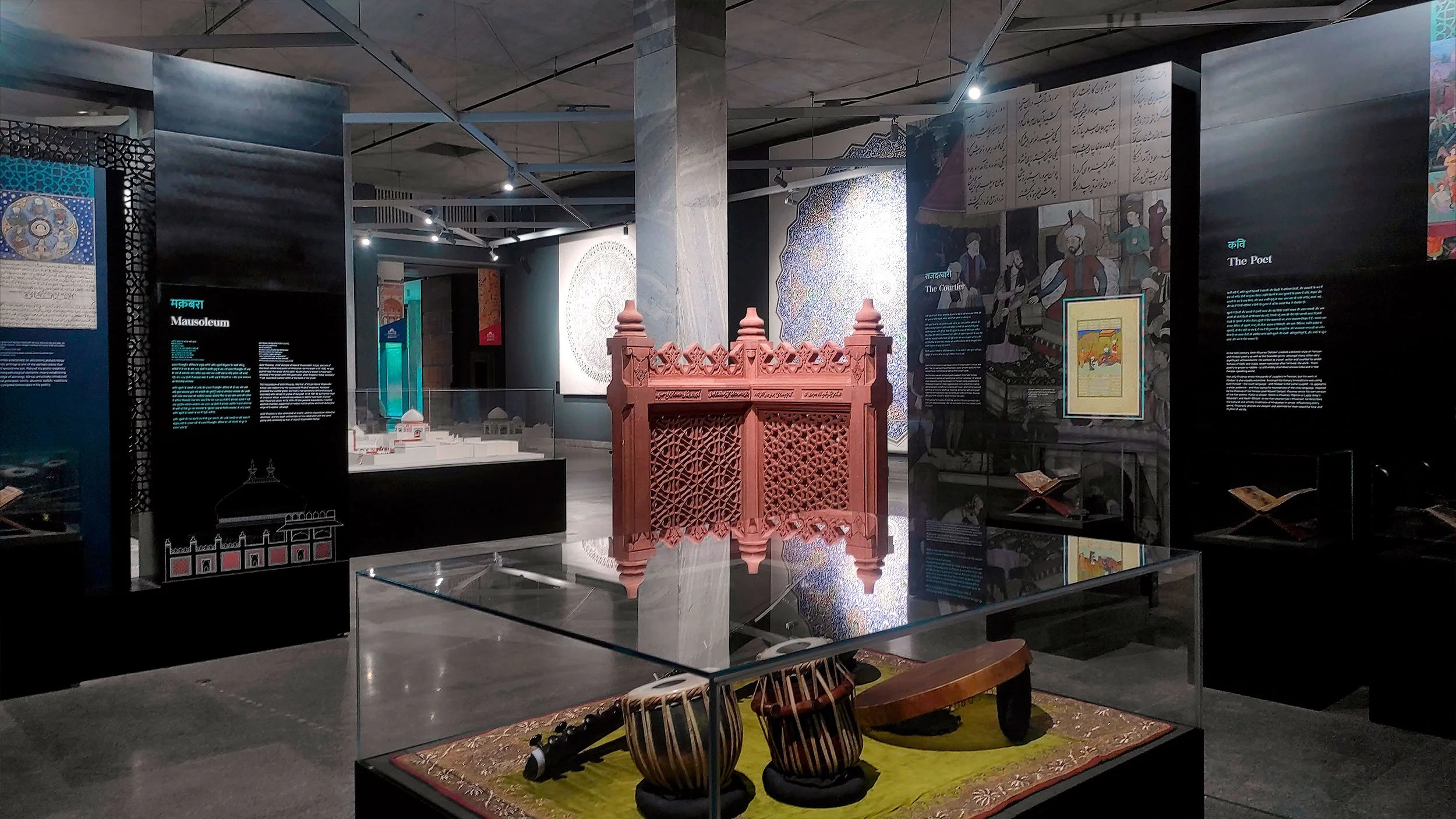
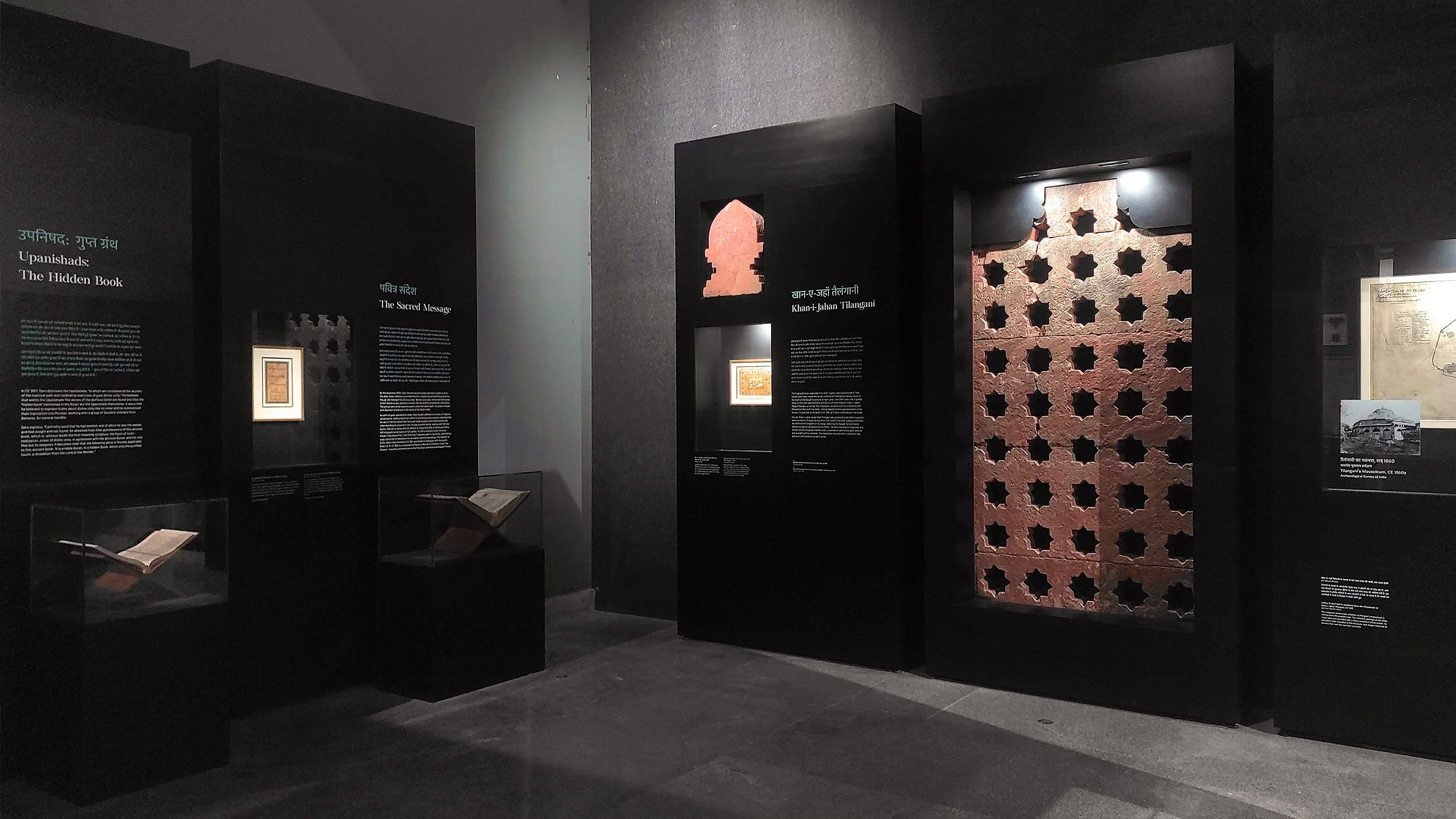
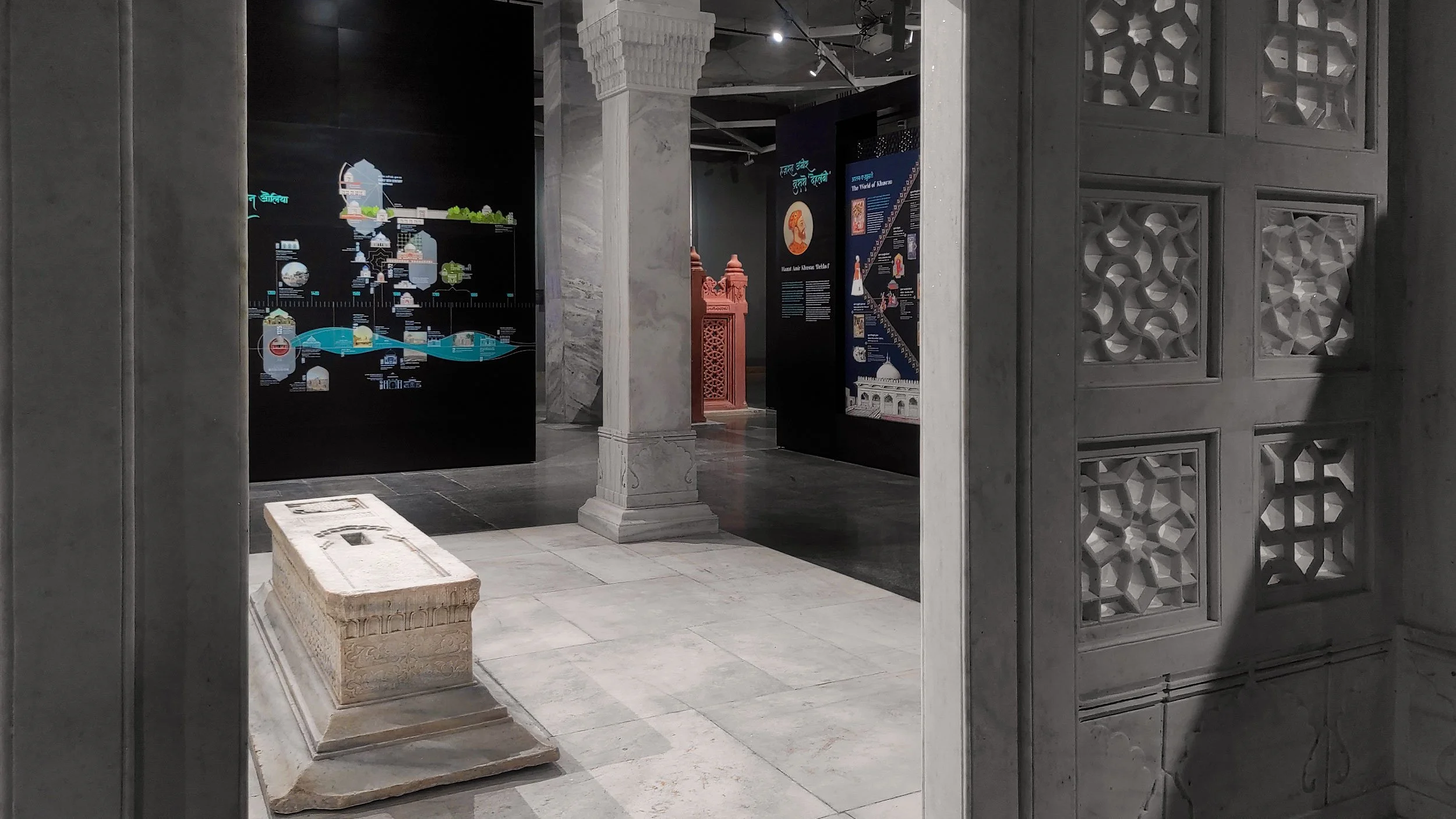
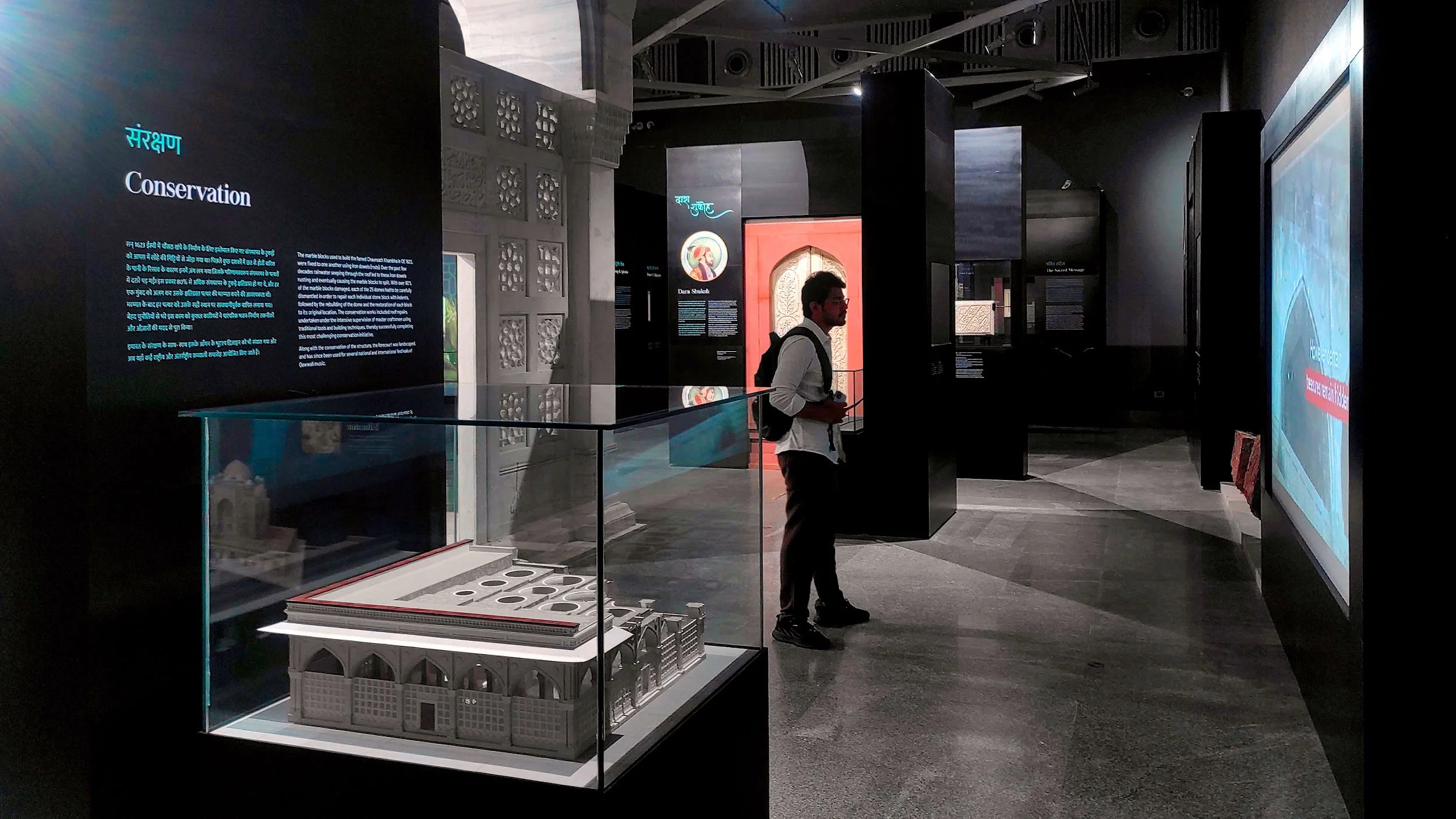
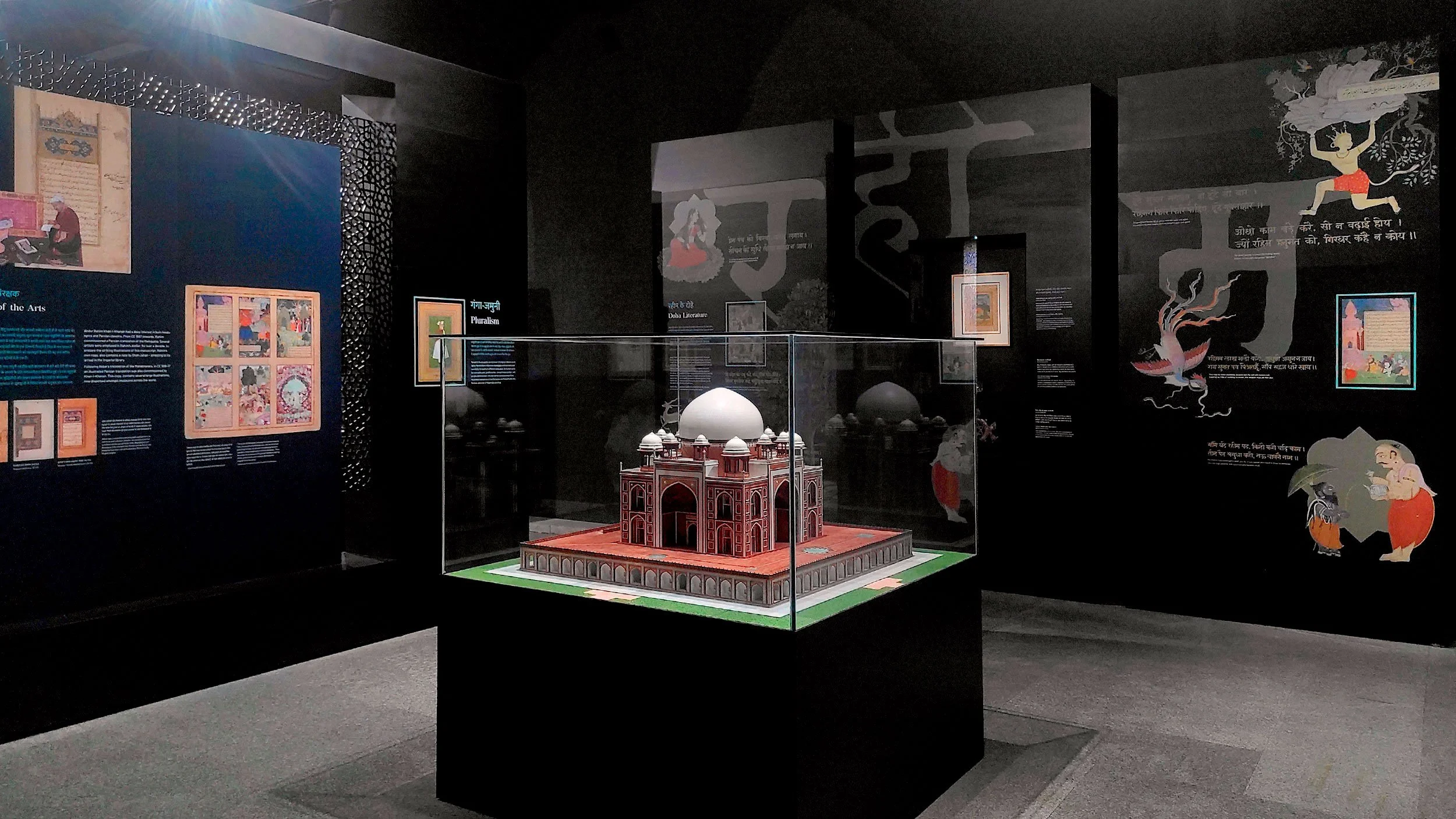
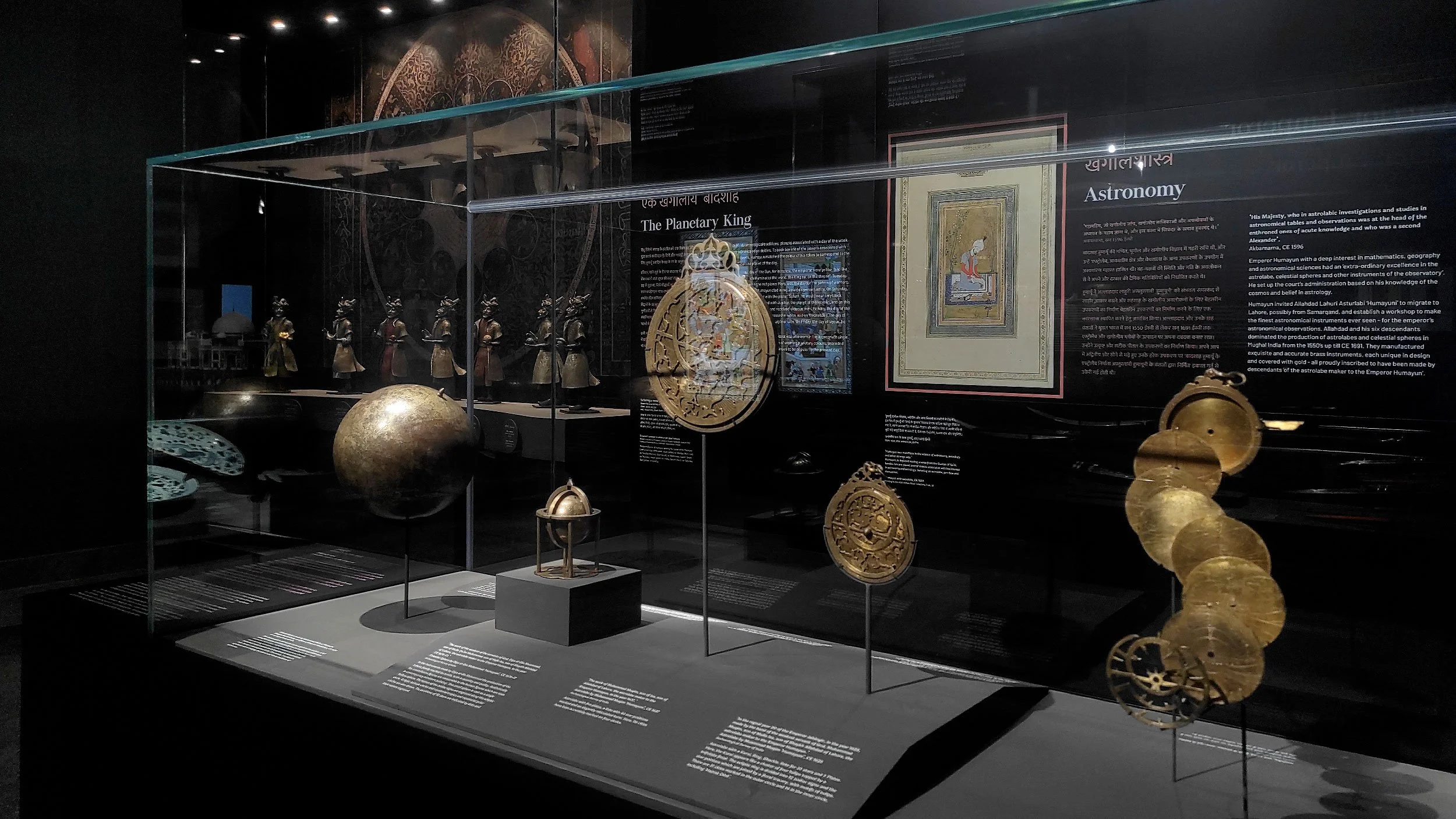
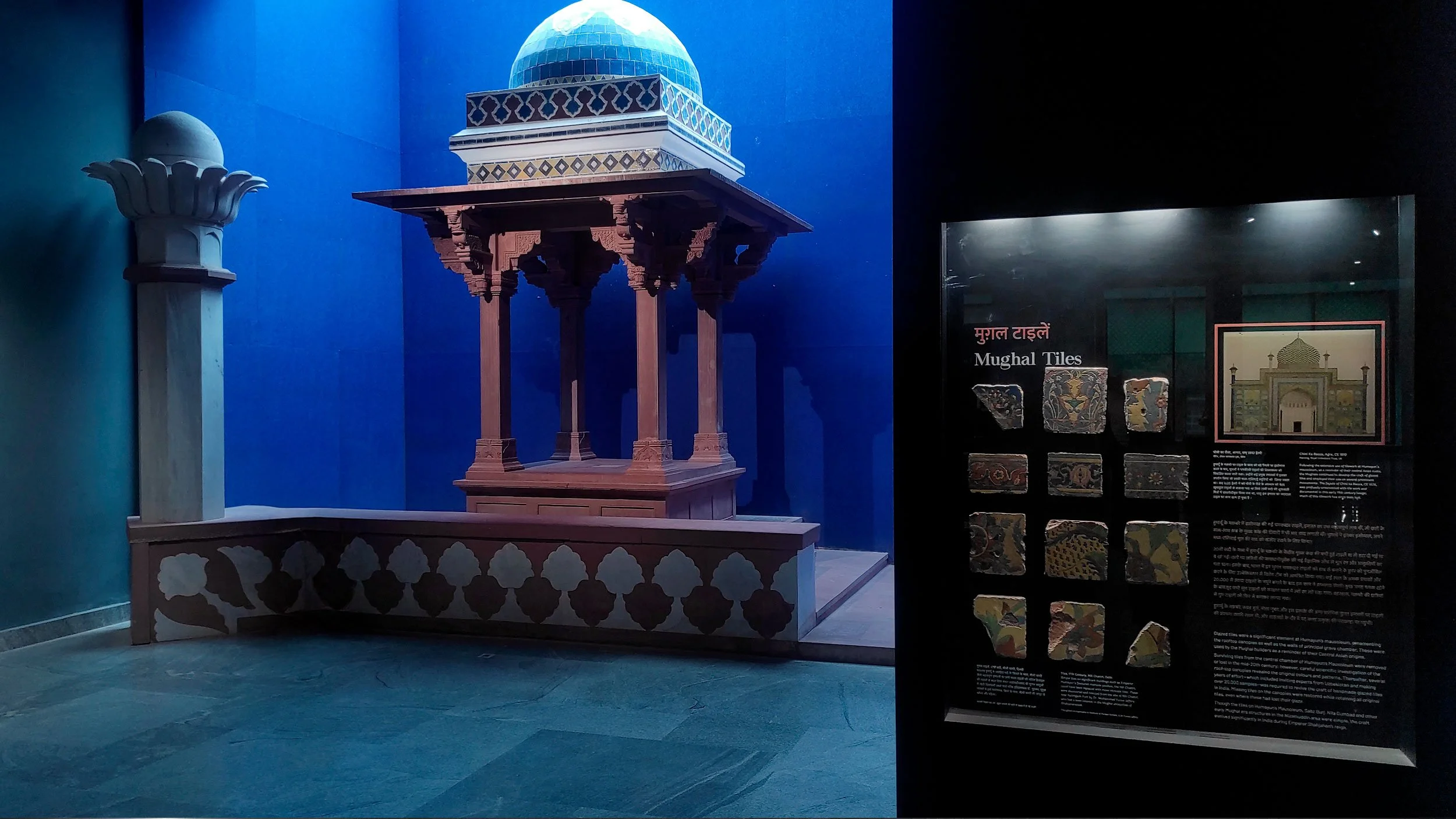
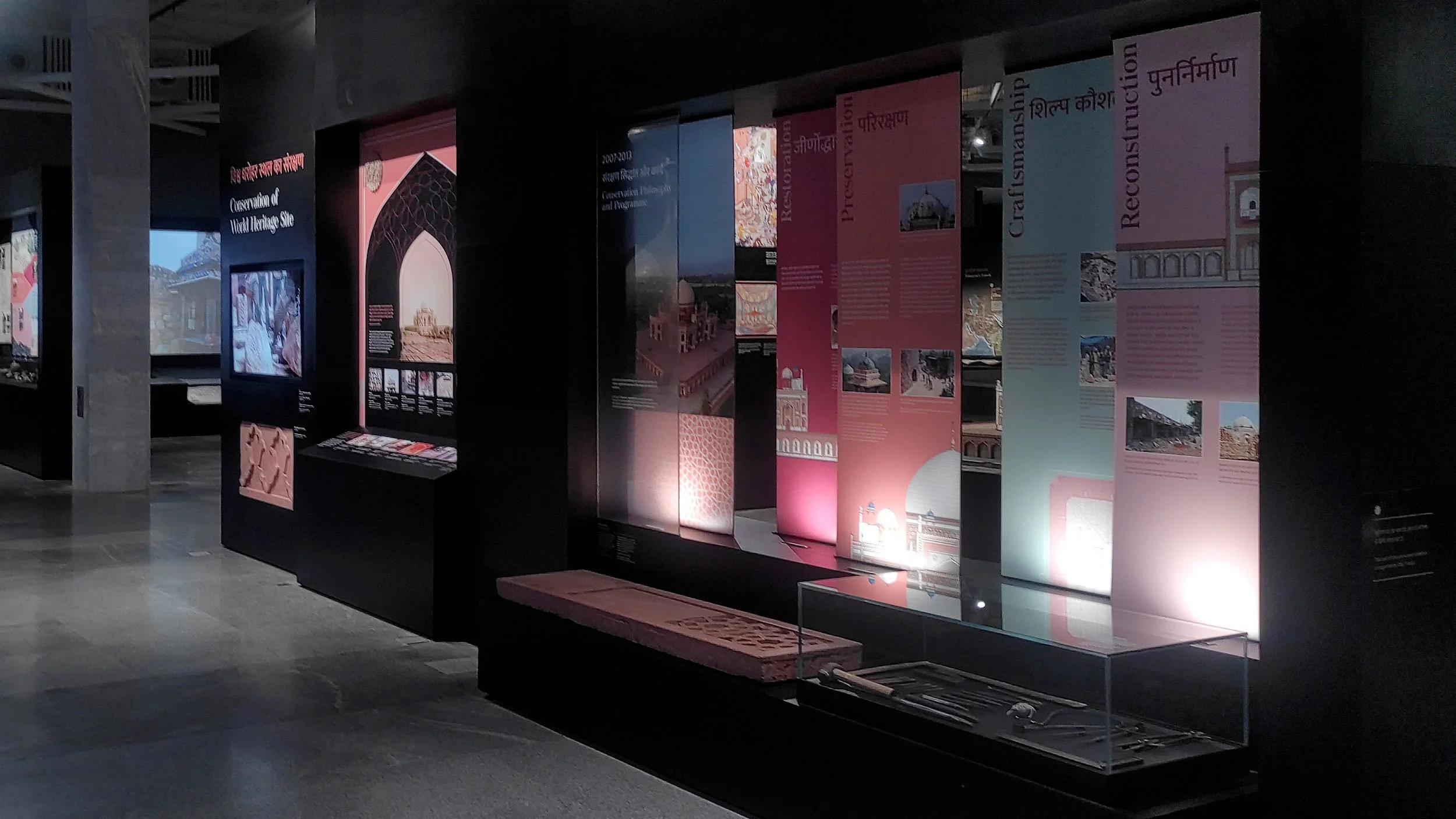
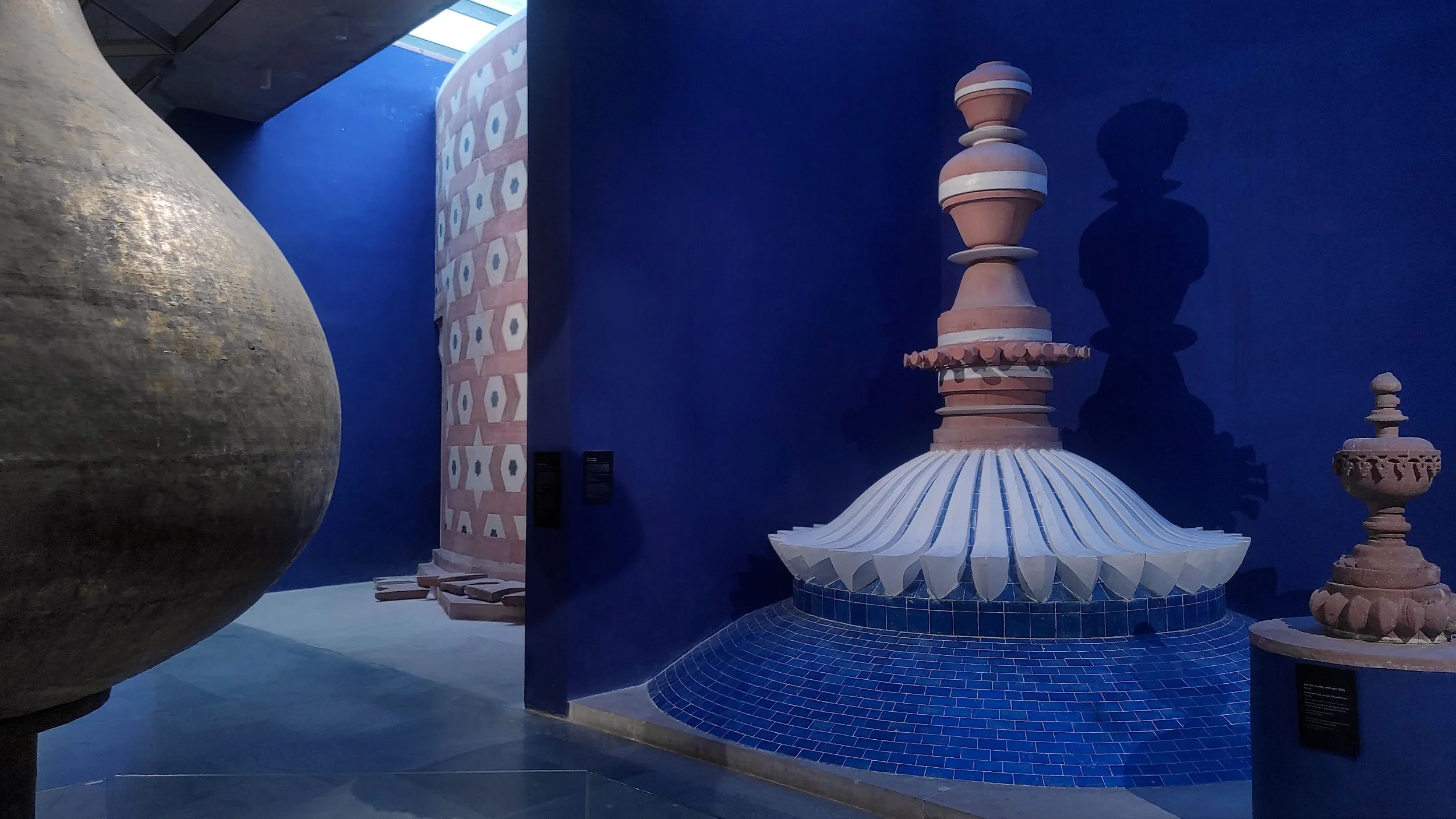
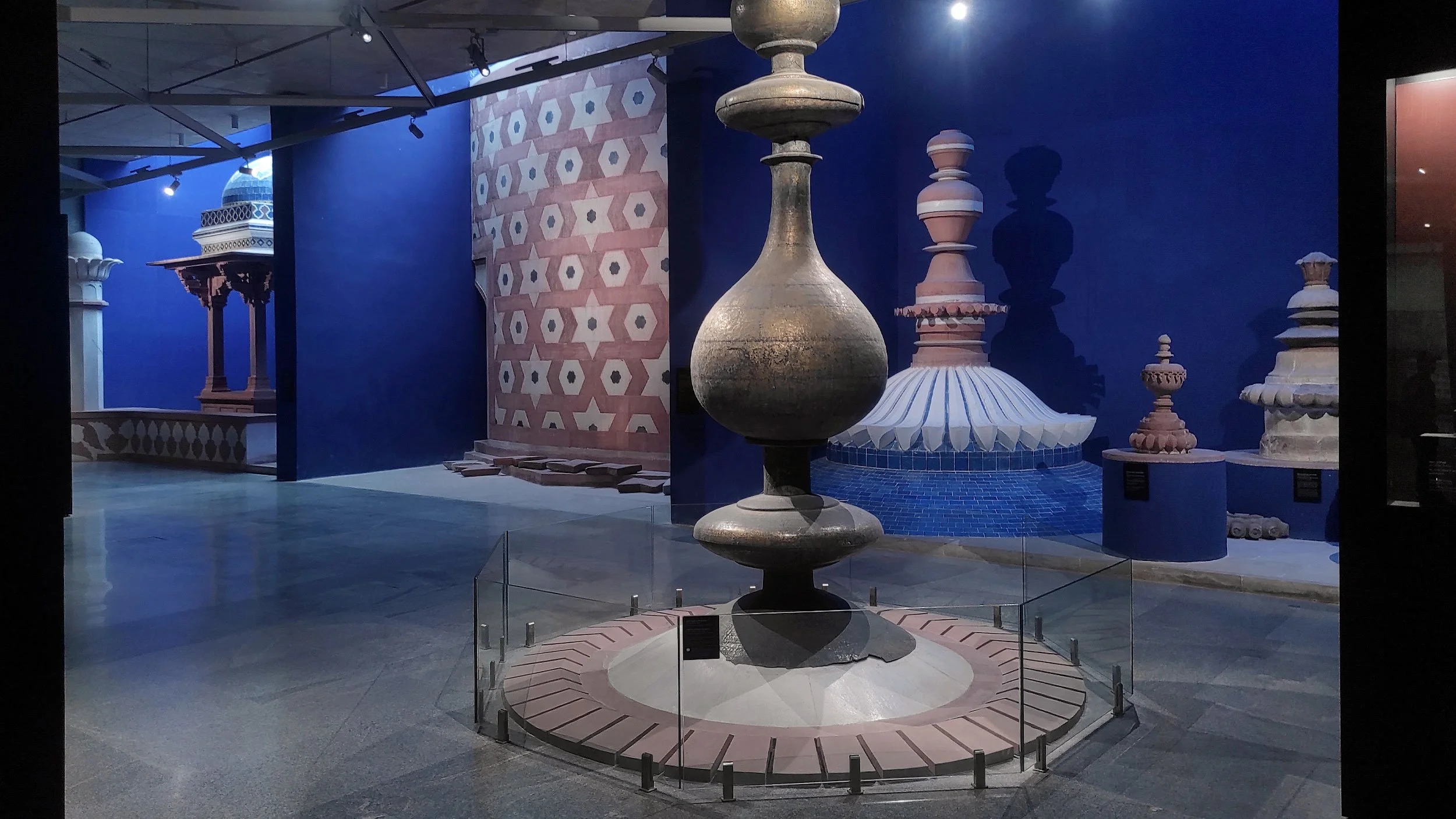
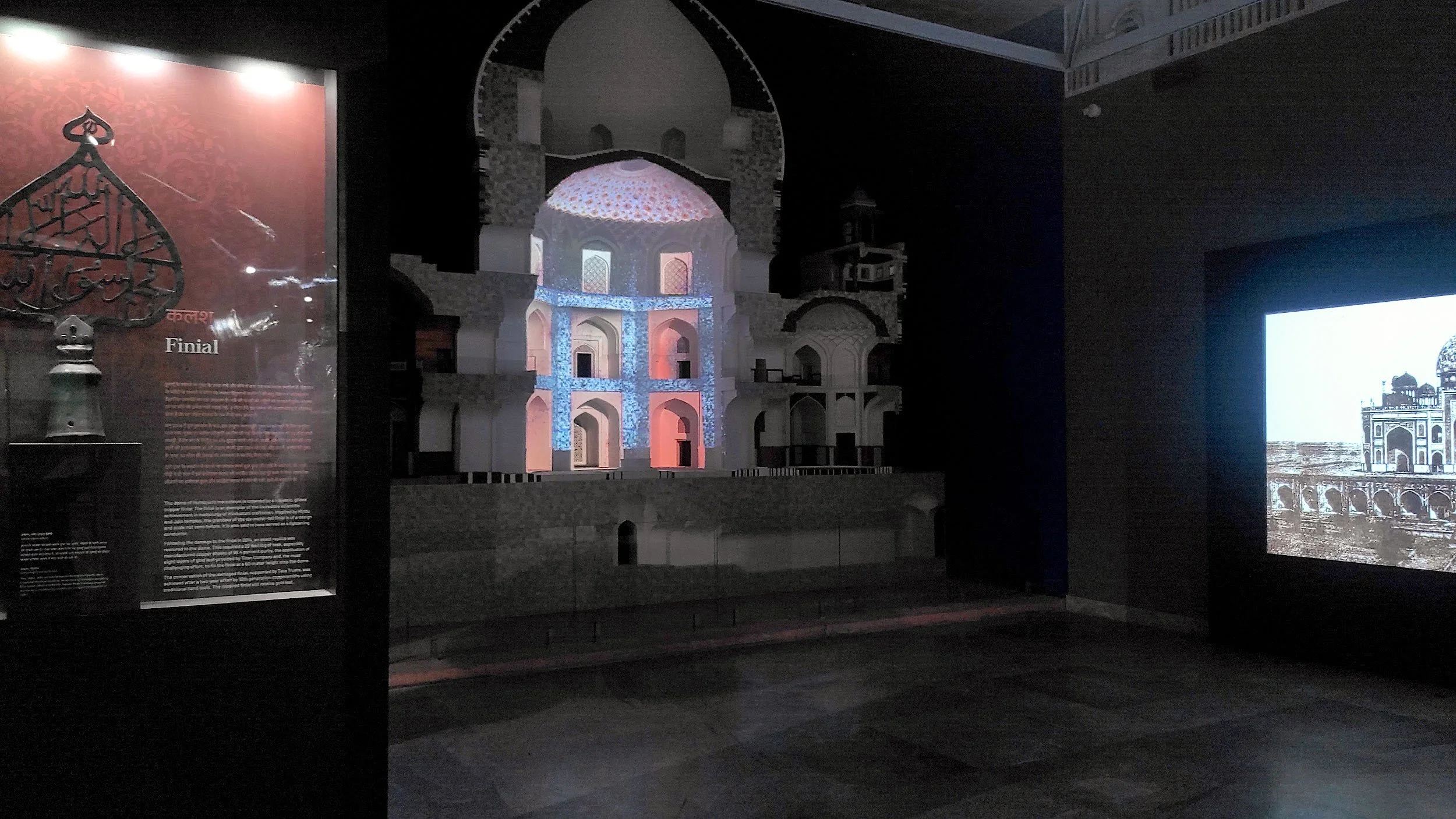
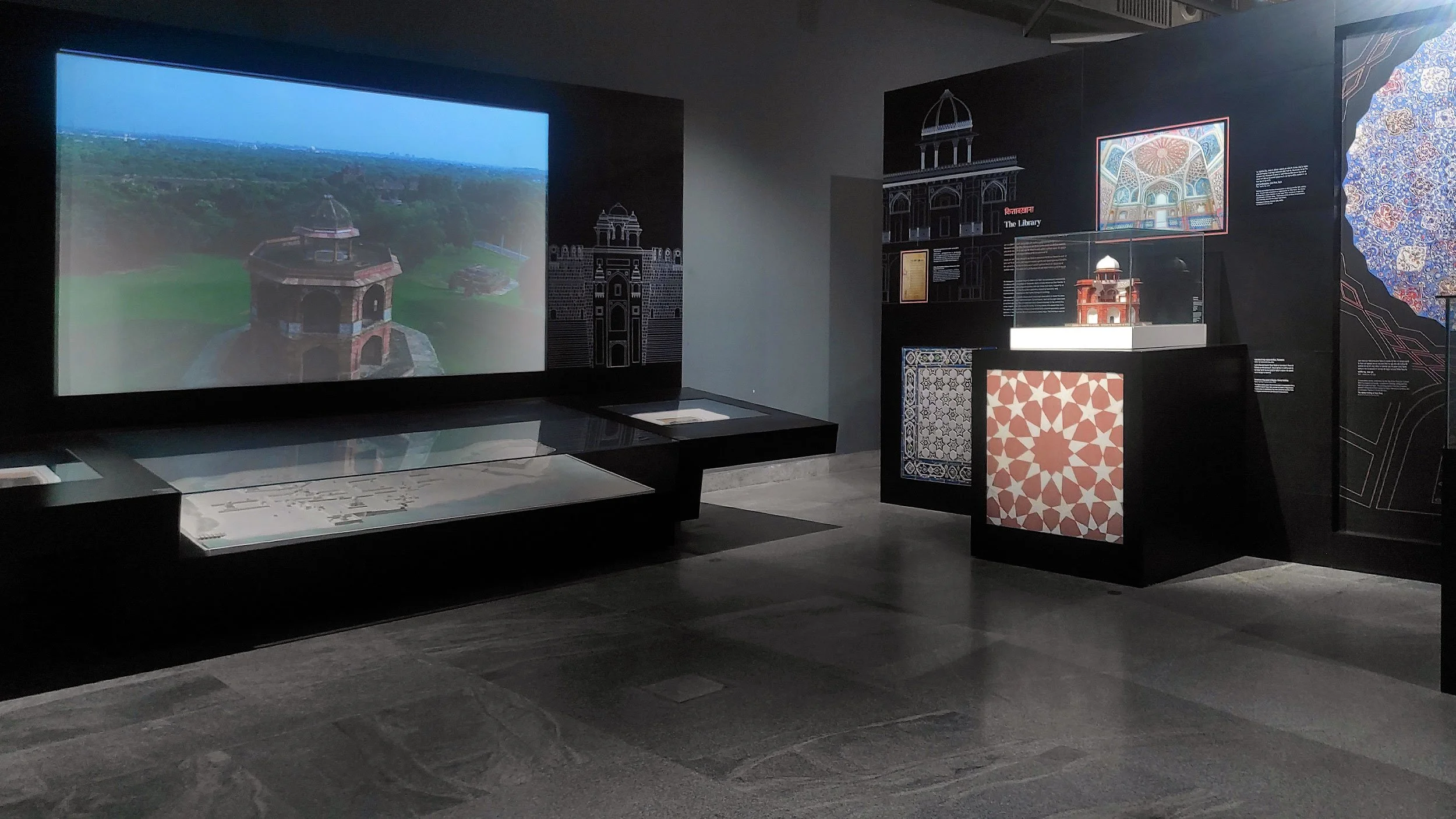
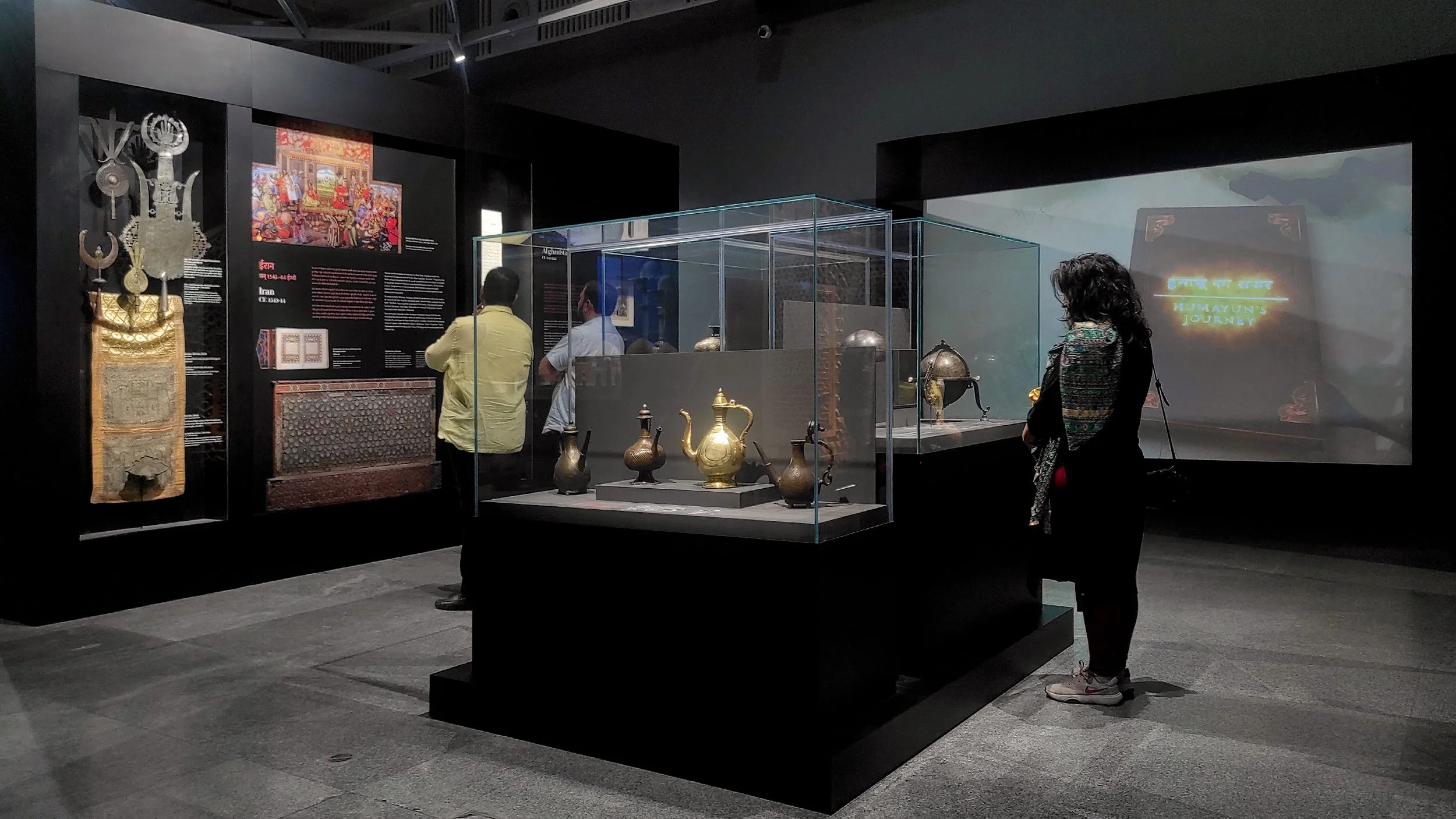
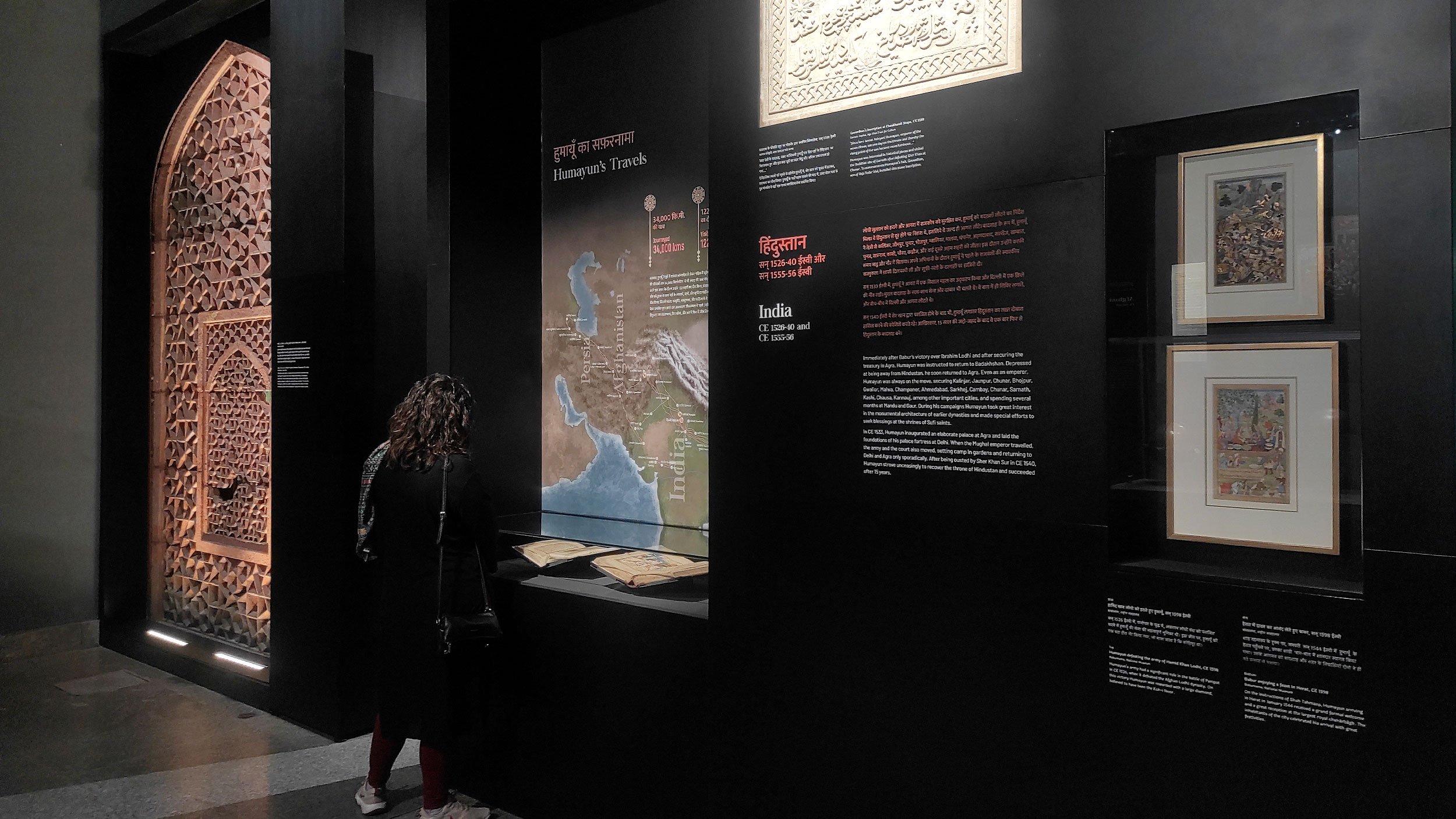
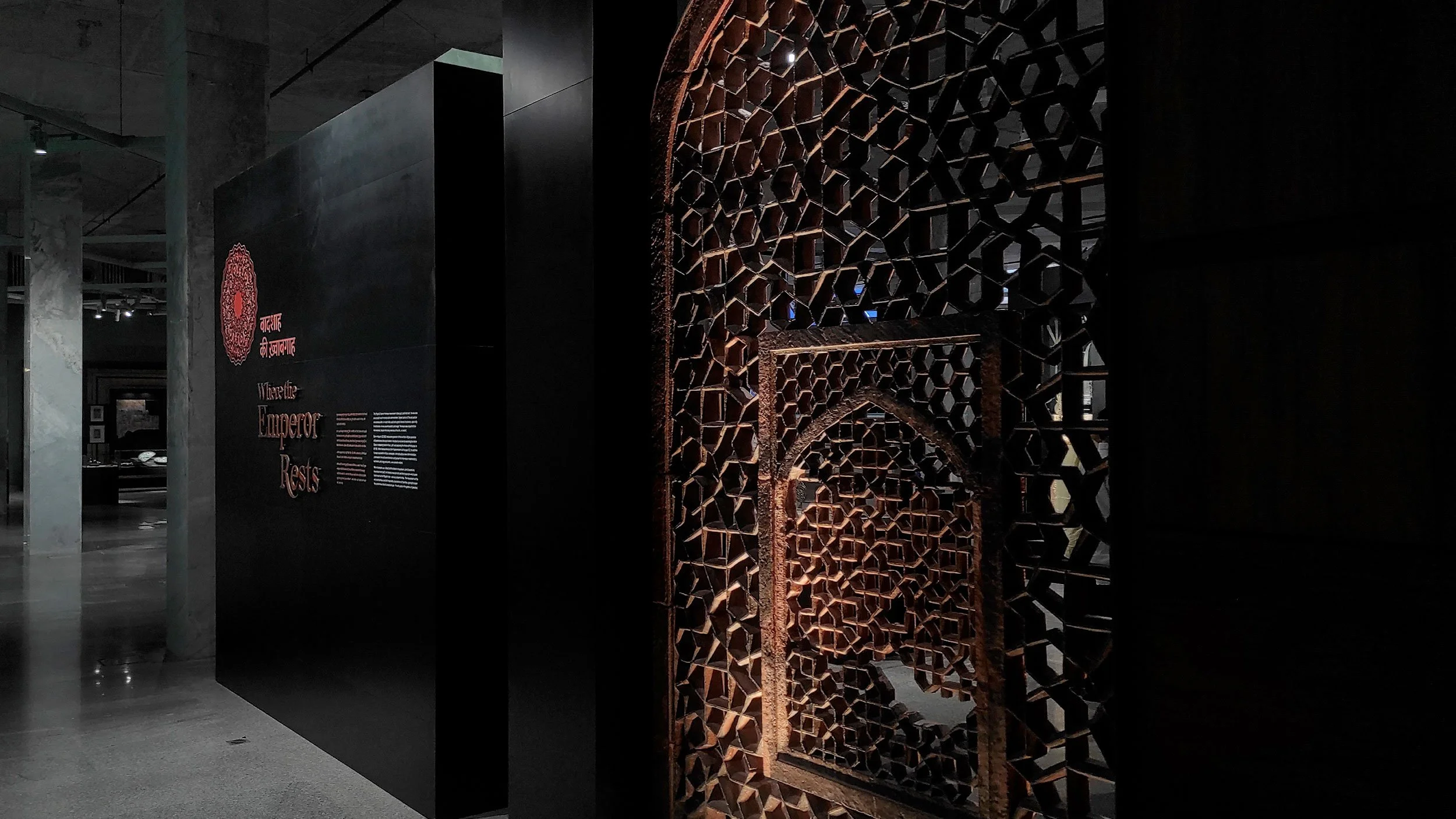
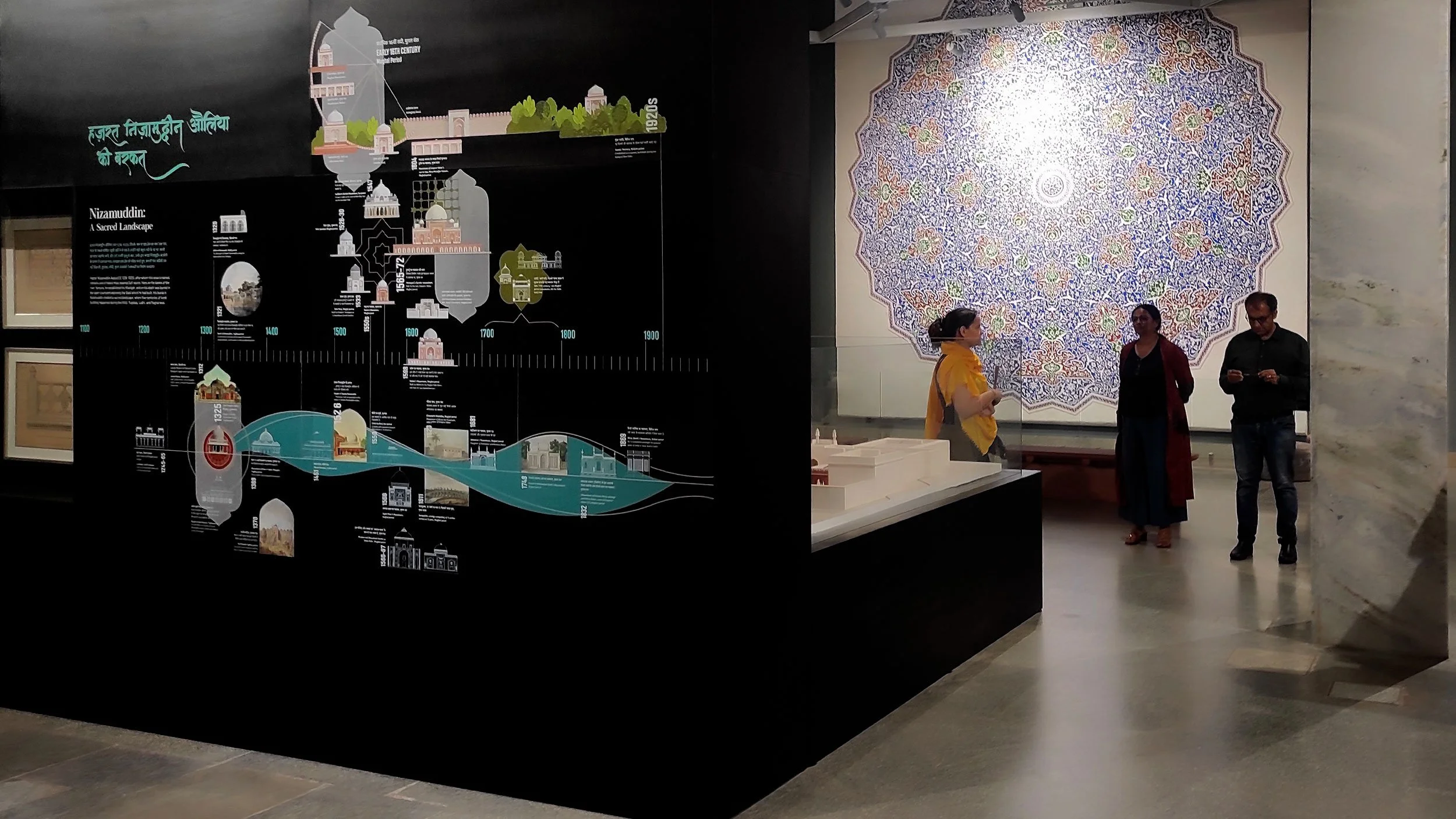
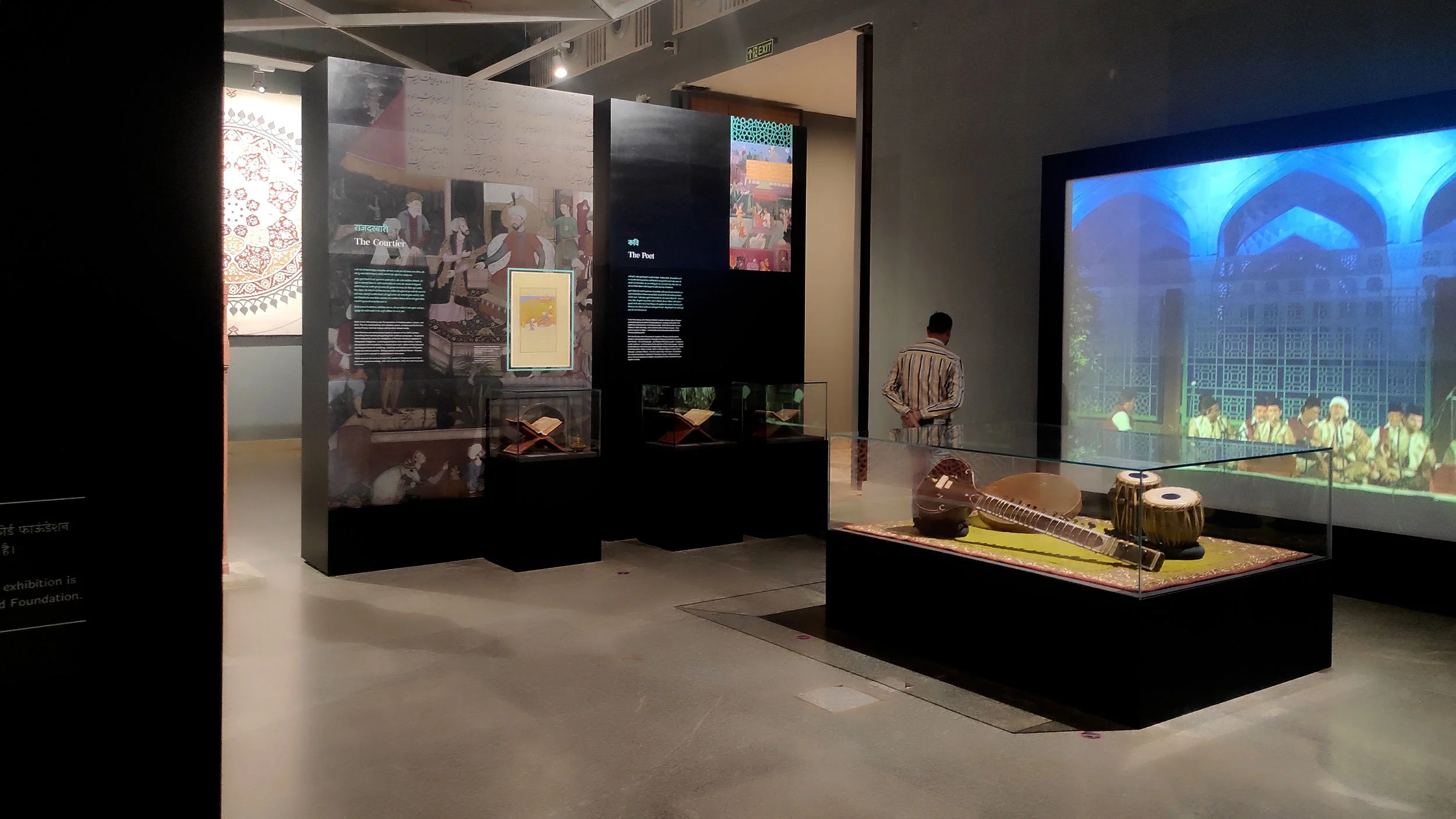
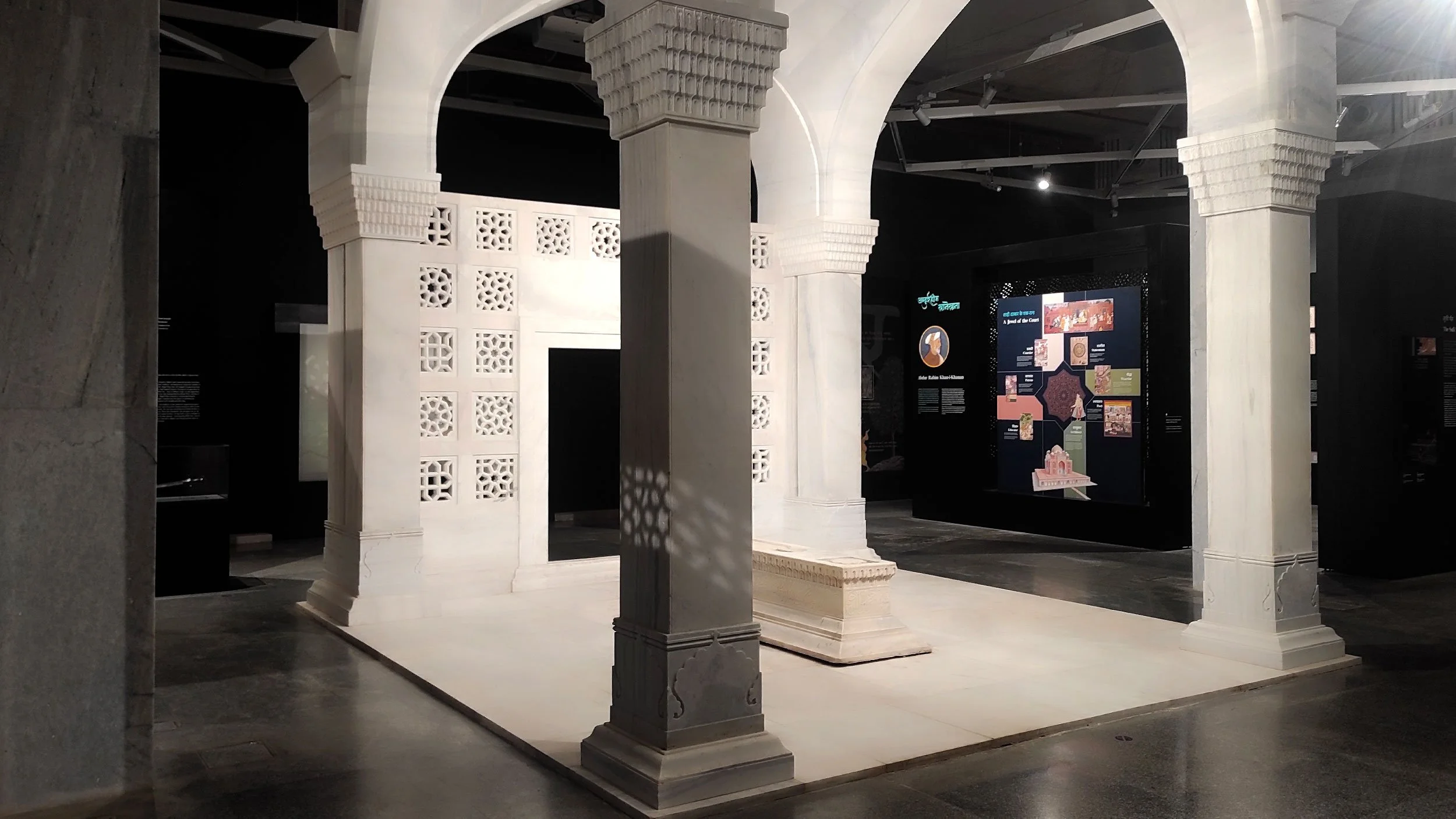
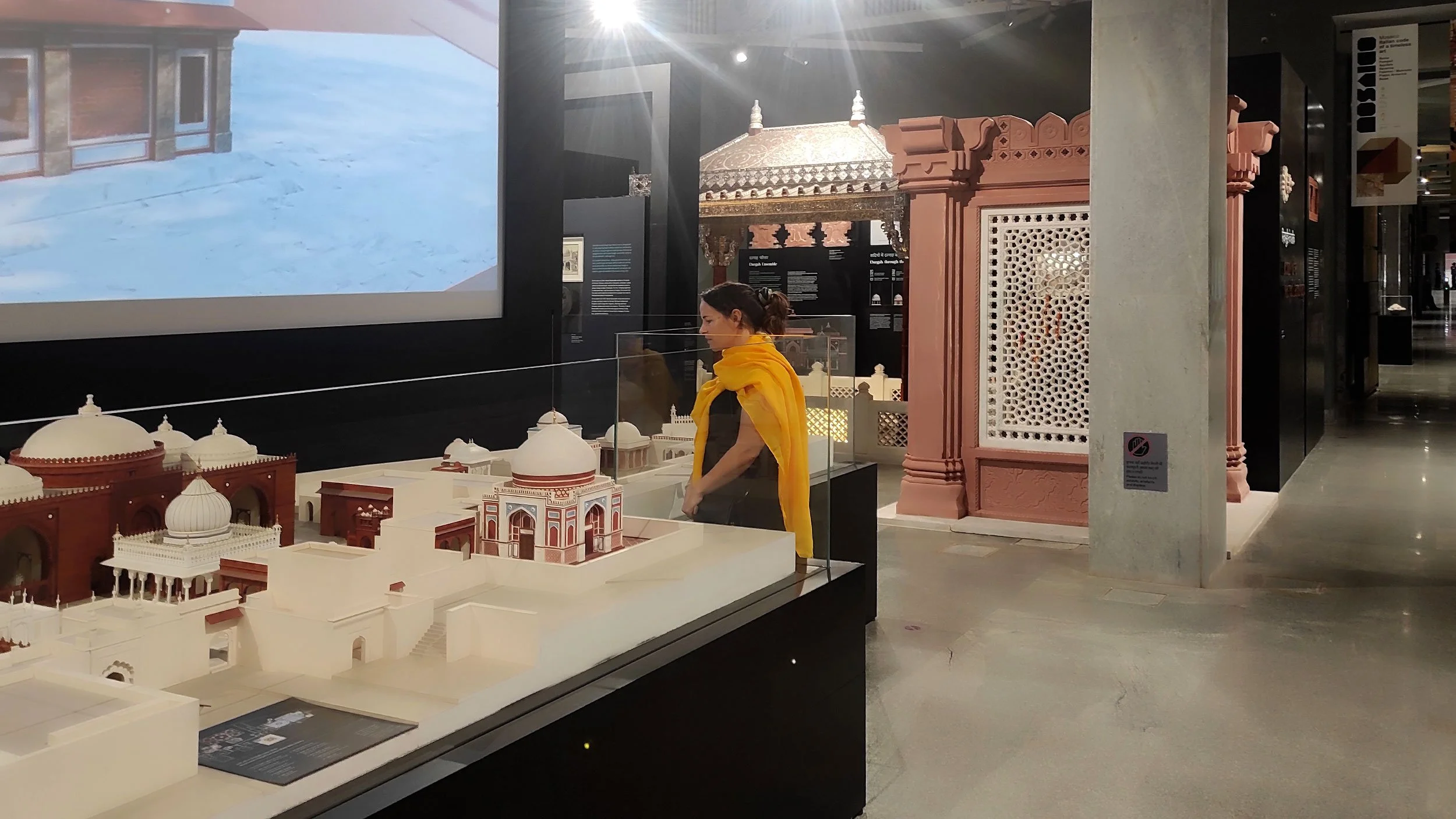
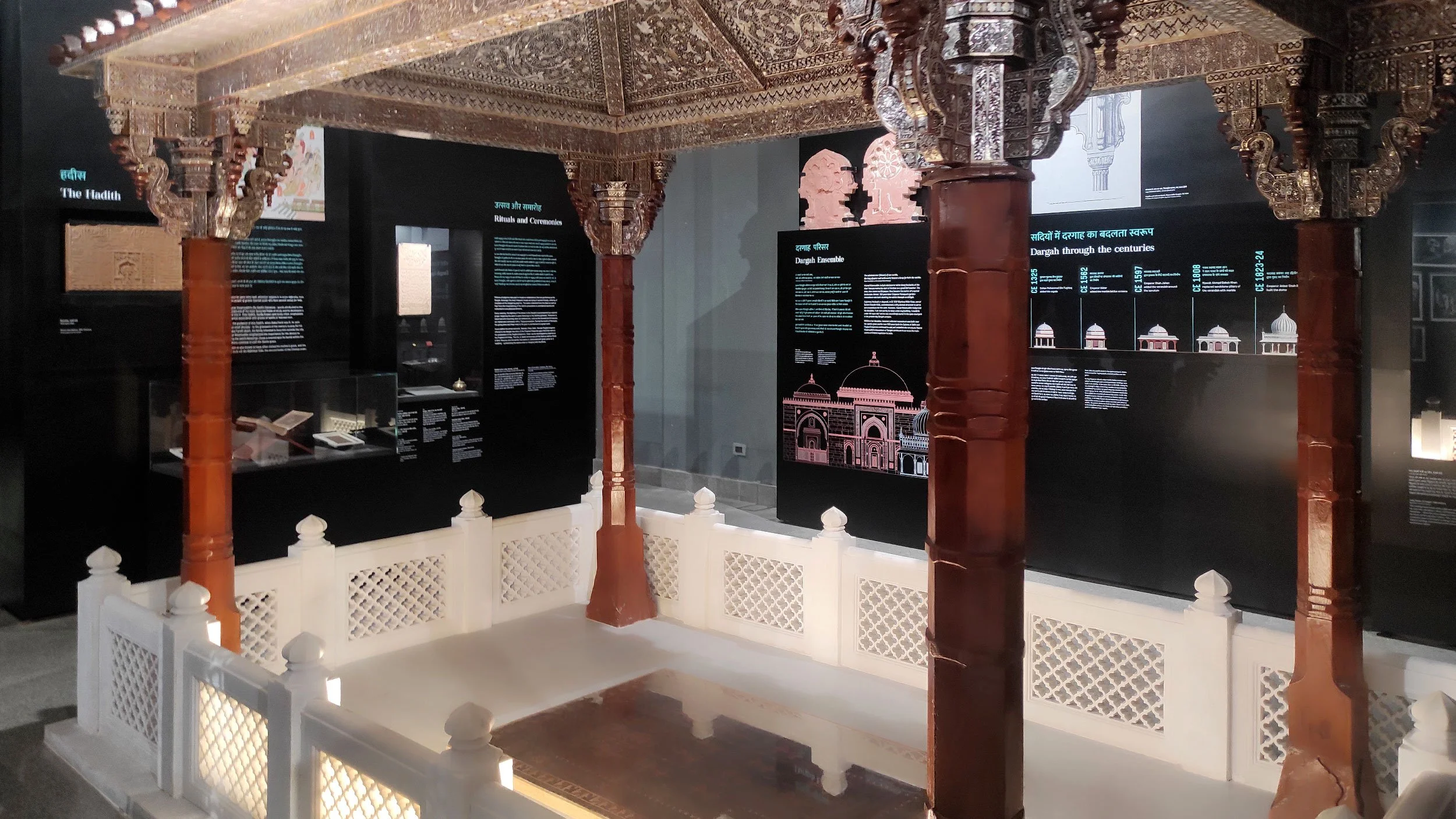
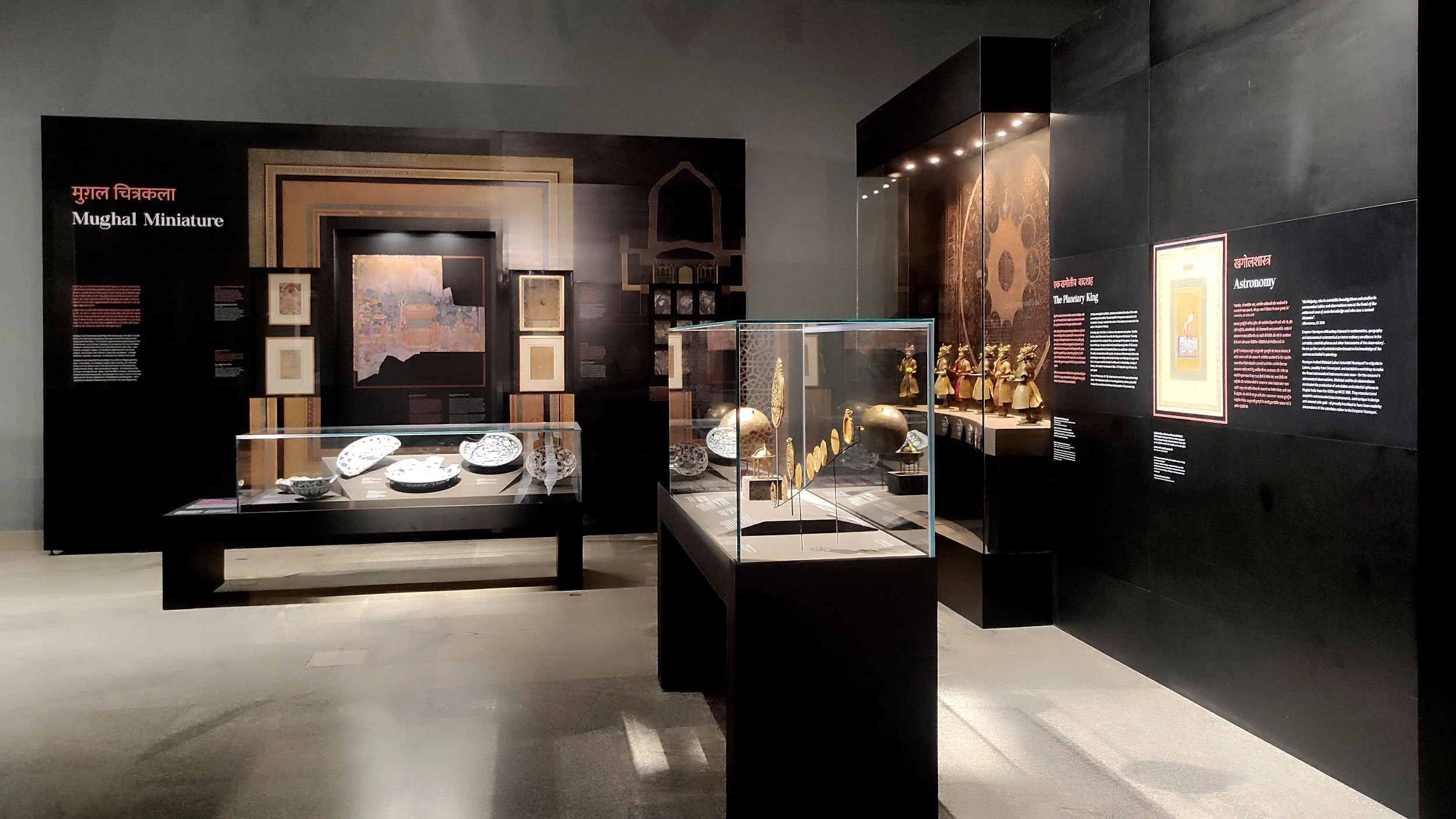
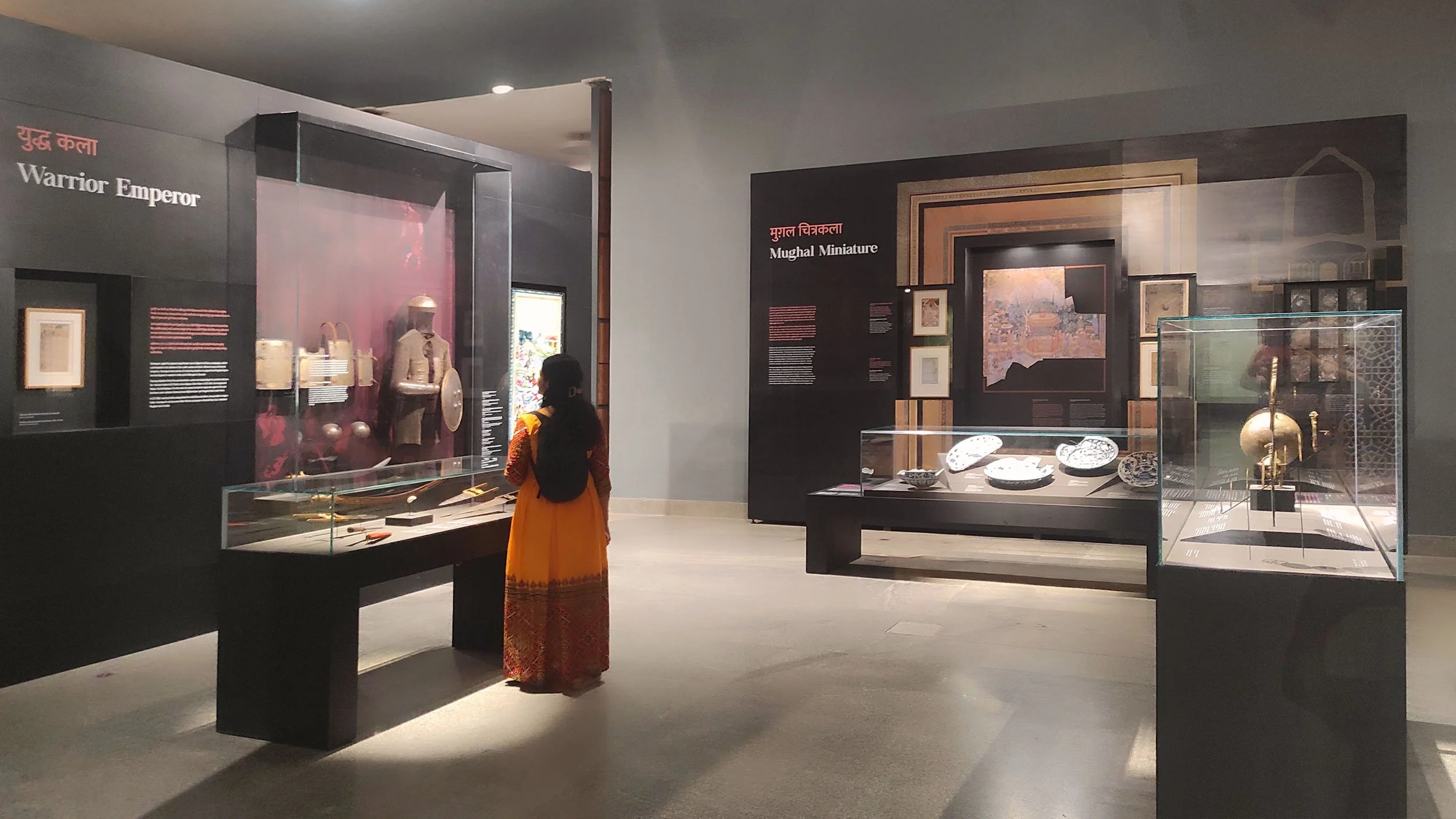
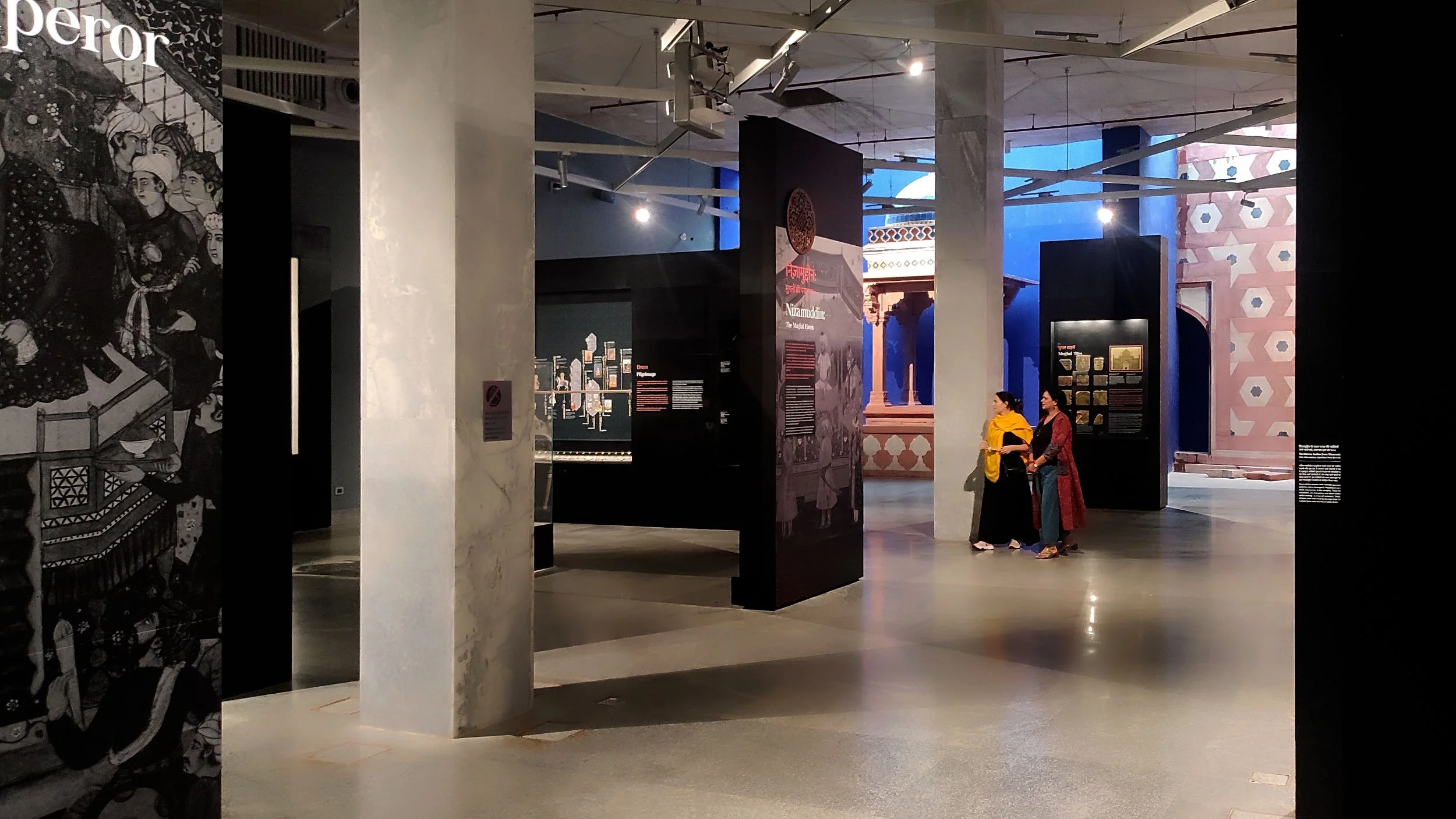
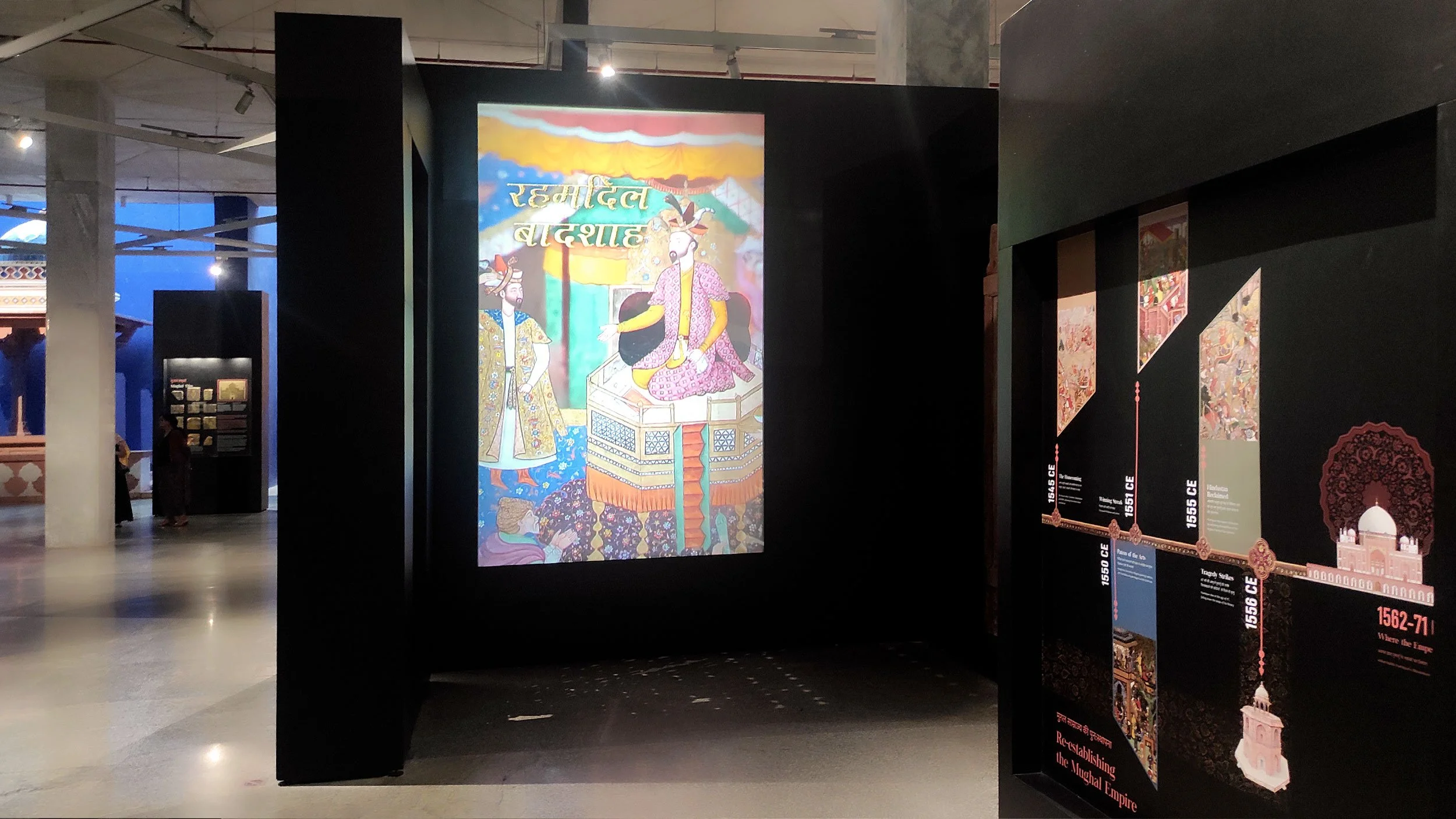
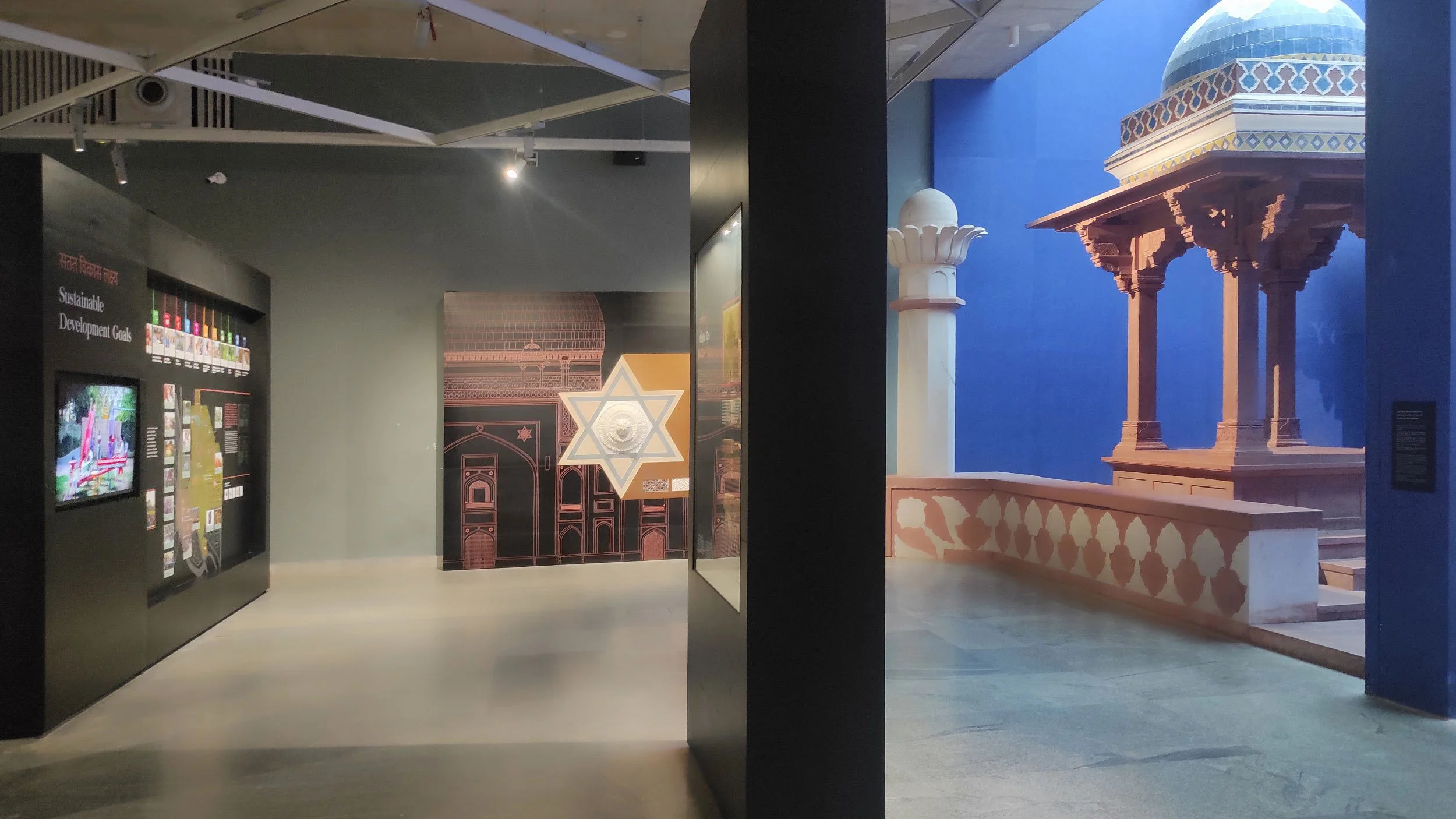
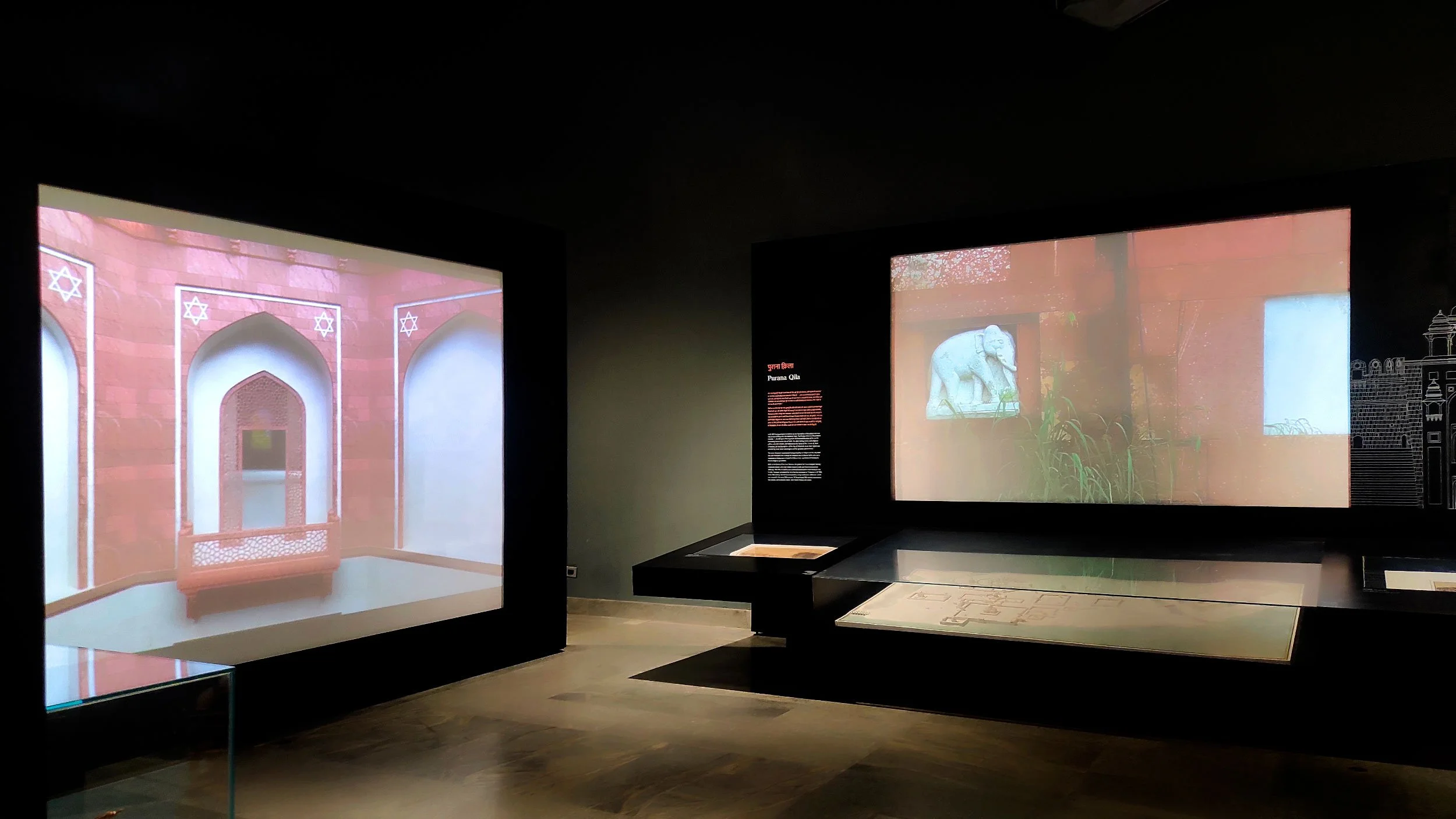
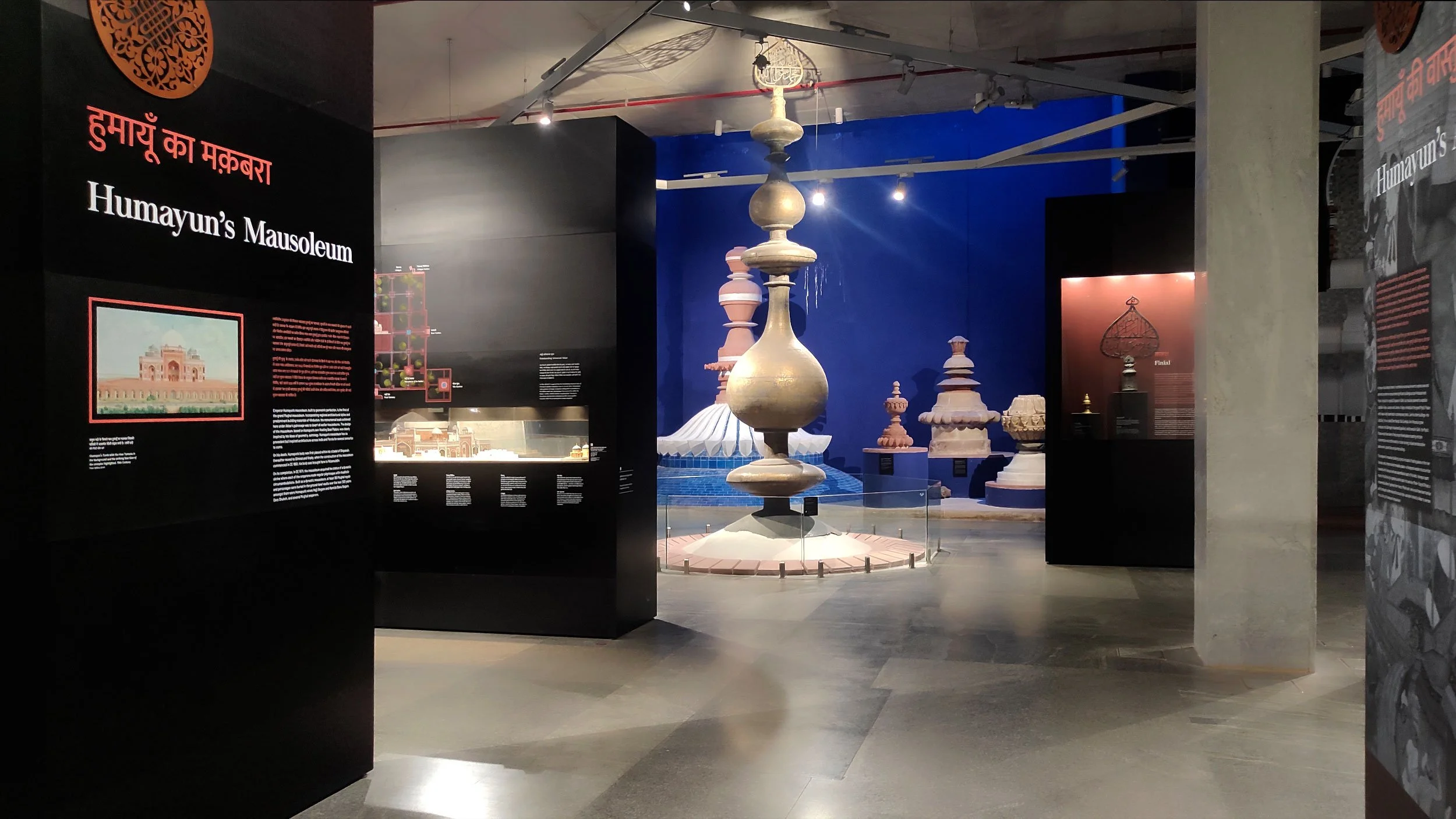
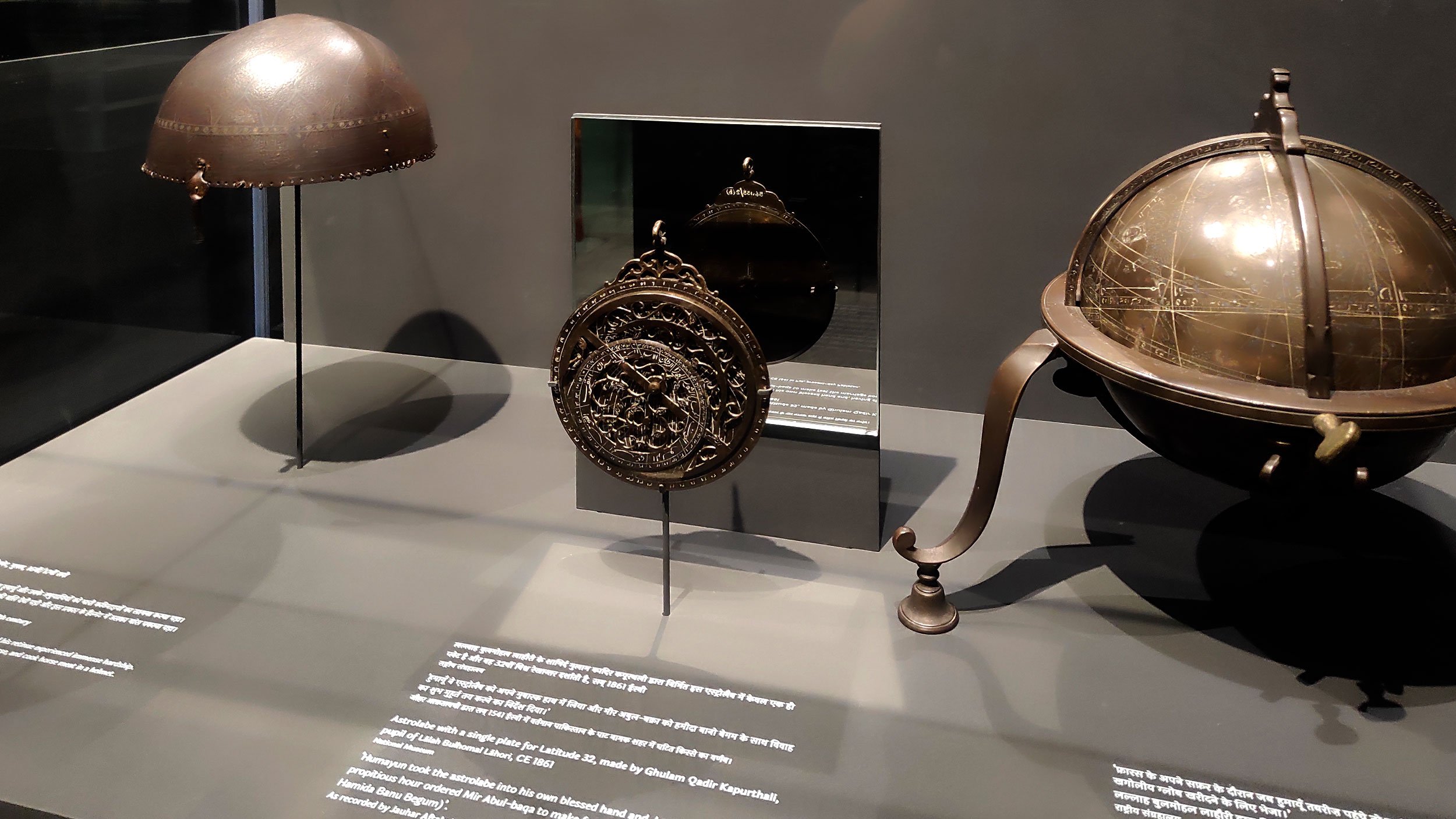
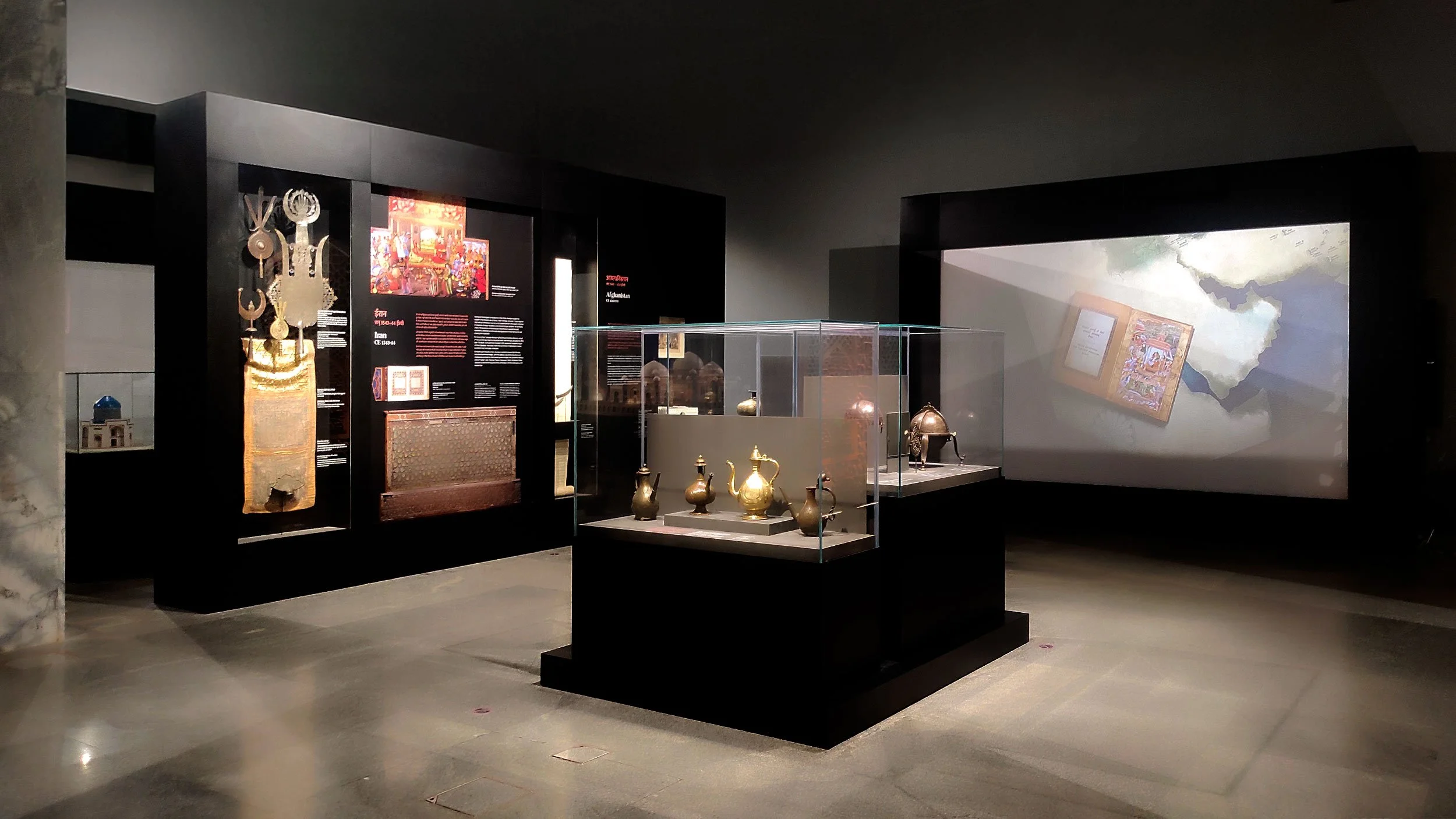
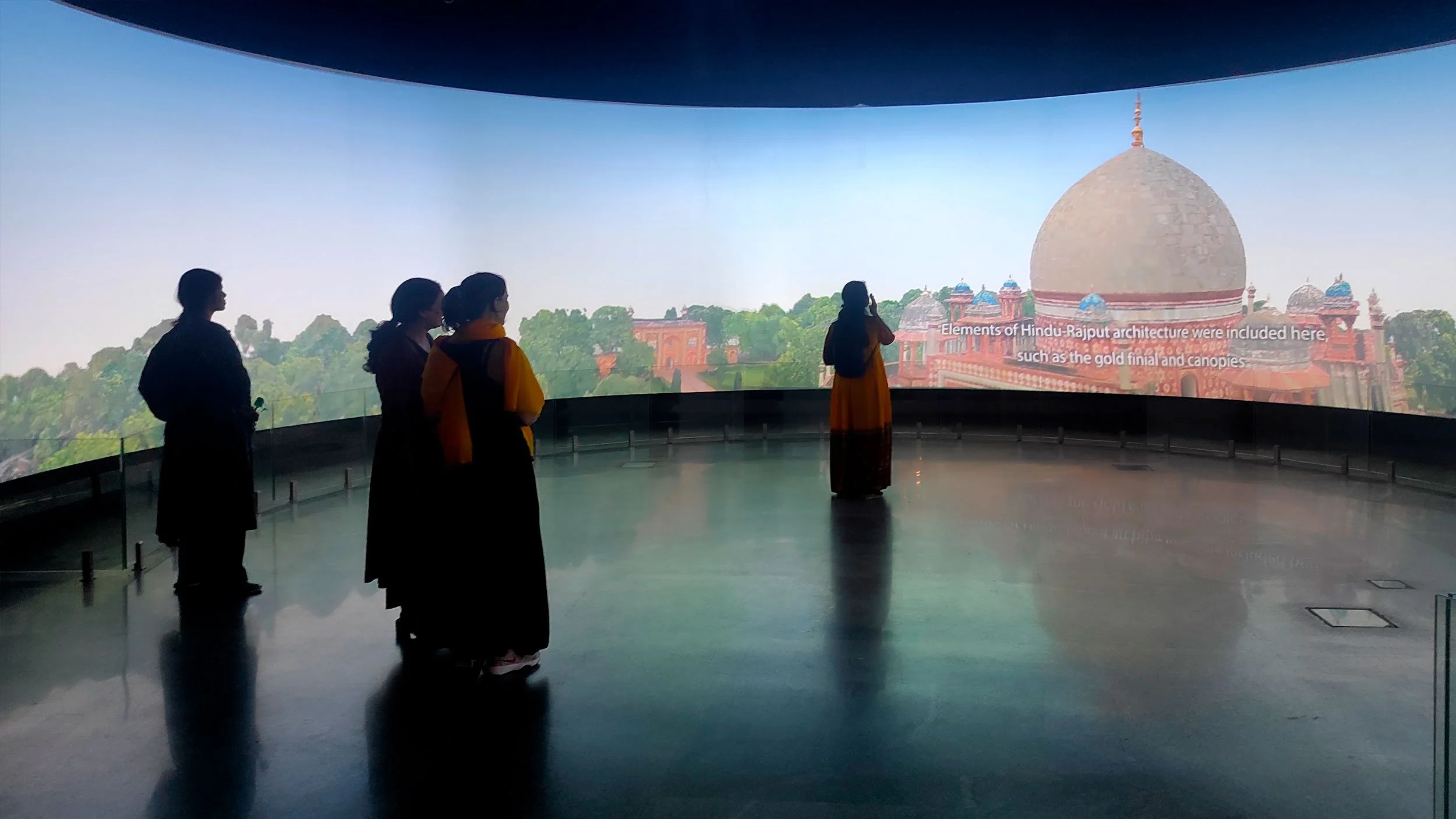
The museum at Humayun's Tomb unfolds within one of the most significant monuments of the Mughal era, a site inscribed as a UNESCO World Heritage landmark and a precursor to later architectural masterpieces such as the Taj Mahal. Located in Delhi, the complex embodies a decisive moment in the evolution of Indo-Islamic architecture, where Persian charbagh garden traditions merged with local craftsmanship to shape a new imperial language. The museum experience is conceived as an interpretive layer within this historic landscape, narrating the cultural, political, and spiritual ambitions of the Mughal dynasty while revealing the tomb’s ongoing processes of conservation and rediscovery.
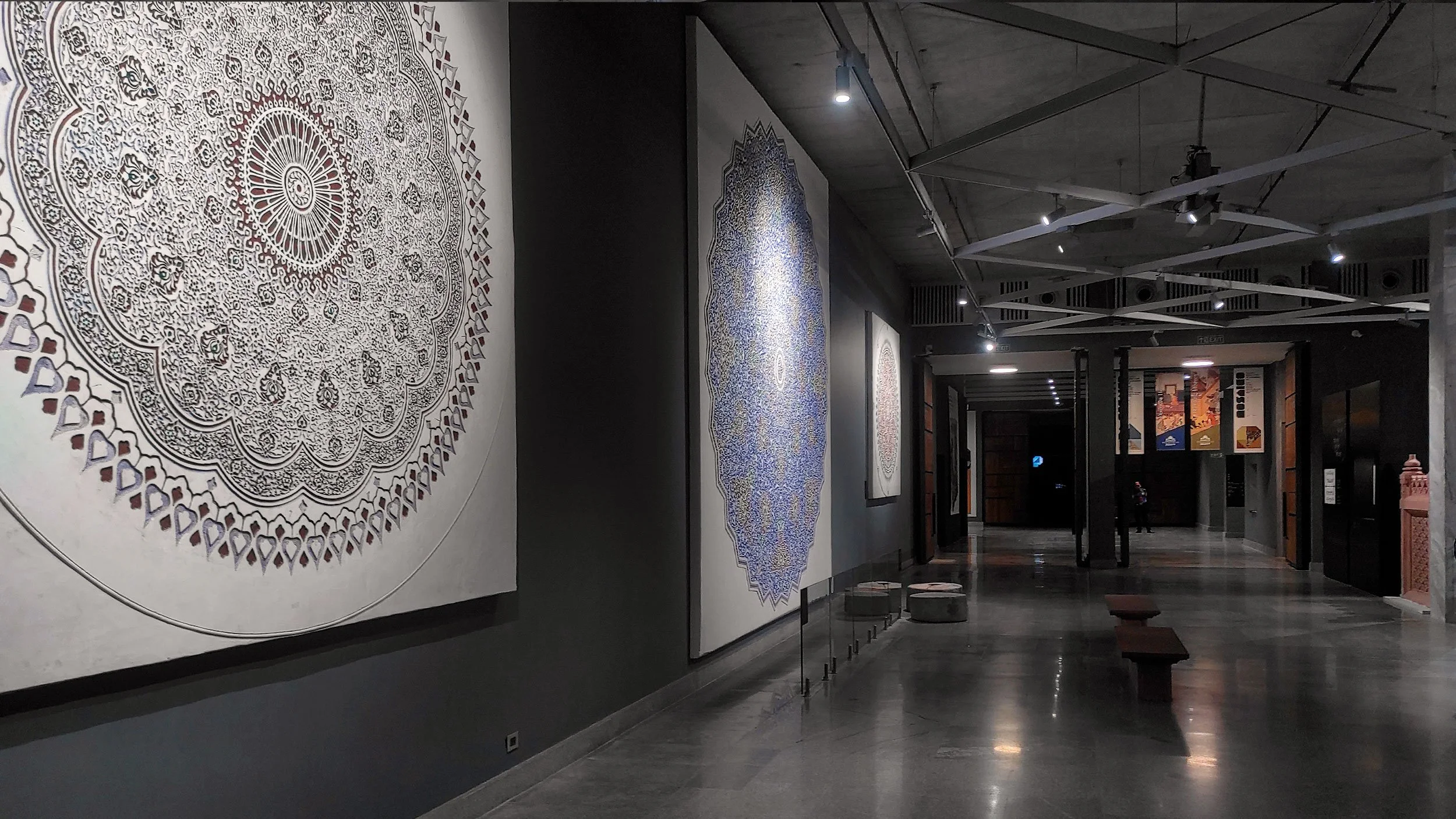
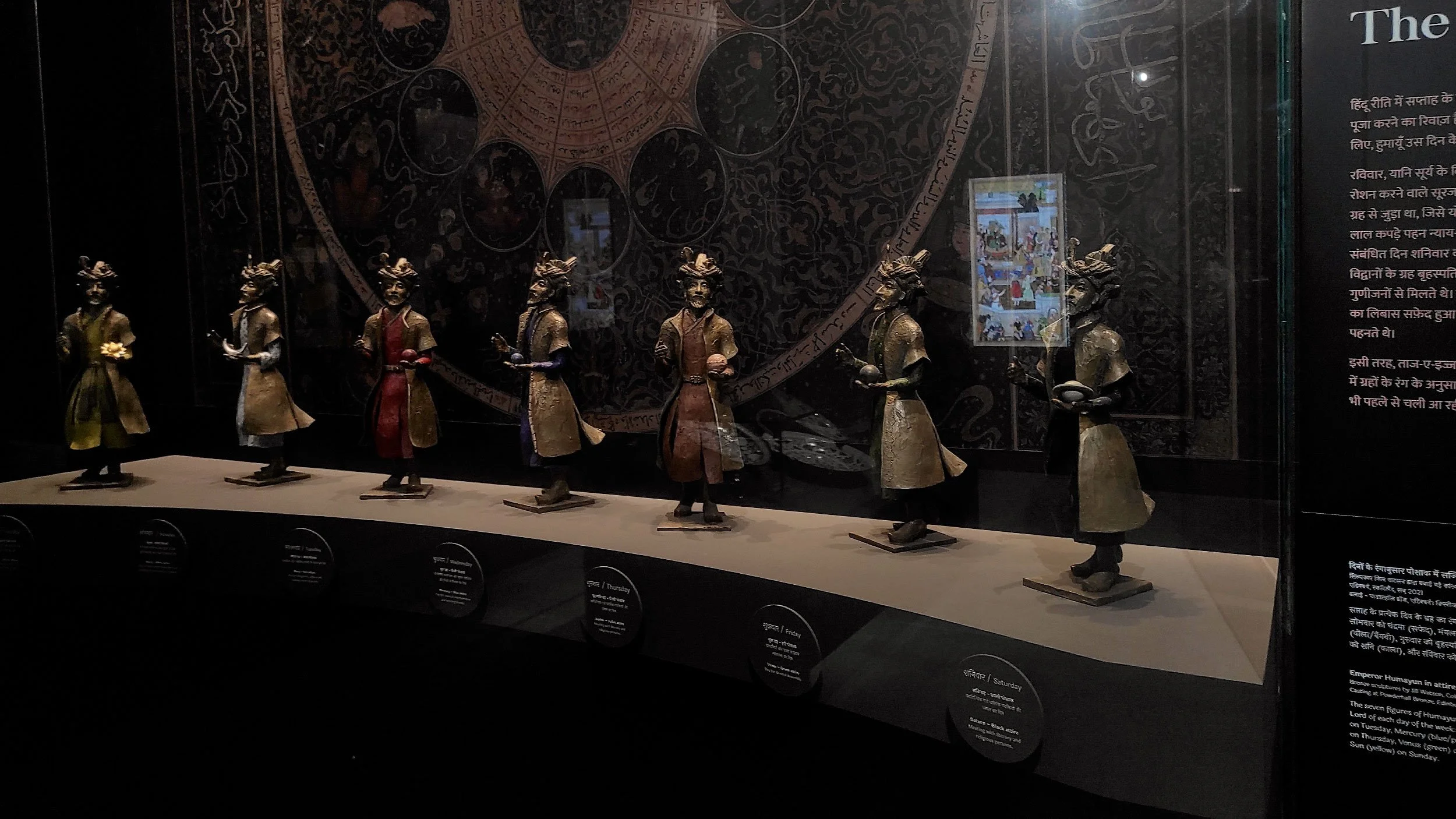
As exhibition designers, our approach focused on framing heritage as a living system rather than a static monument. The spatial narrative draws from the geometry of the charbagh, translating its symmetry, axes, and thresholds into a sequence of immersive environments. Materials, light, and digital media are carefully integrated to echo the monument’s red sandstone, white marble inlays, and filtered daylight, creating a dialogue between past and present. The design seeks to balance reverence and accessibility, offering moments of contemplation alongside interactive interpretation, so that visitors experience the site not only as history, but as a layered cultural landscape still resonating today.
Design: Ámbito Cero
Location: Humayum Tomb Site - Dheli, India
Date: July, 2024
Client: Aga Khan Trust for Culture (AKTC)
Surface: 3,200 m2